

A dashboard can show risk without changing ownership. A model can rank overdue accounts without knowing whether cash is blocked by a dispute, missing remittance, unapplied cash, or a credit issue. Read More

AI-Enabled Global Capability Center (GCC): The Complete Enterprise Guide
Picture a company tired of routing every finance query or IT ticket through a vendor. So it builds its own team, usually offshore, and runs that function itself. Read More

Part 3: The Hybrid AR Model—CFO Framework for AI vs. Human Outreach
As organizations scale globally, expanding footprints quickly create a fundamental challenge for Treasury and Accounts Receivable (AR) teams: the cost of international collections can easily swallow the margins on late-paying accounts. Read More

Top 10 Data Engineering Companies to Watch in 2026
Data is only as valuable as the infrastructure that powers it. Whether you’re modernizing legacy systems, building cloud-native data platforms, or preparing for enterprise AI, the right data engineering company. Read More

Part 2: Beyond Translation—Bridging the Regional Payment Gap
Optimizing regional dunning notifications and data hygiene fixes only addresses top-of-funnel customer communication. For the corporate treasury, the critical failure point of international collections isn’t language—it is infrastructure. Read More

Part 1: Managing Data Hygiene for Multi-Region Accounts
This is a common consequence of legacy enterprise data models. Many ERP and CRM systems still inherit communication settings from the parent company, assuming that corporate headquarters accurately represent every subsidiary. Read More

What Is a Data Audit? The Complete Guide for AI-Ready Enterprises
A data audit is a systematic review of how data is collected, stored, processed, secured, and used across an organization. It answers one question: can this data be trusted for decision-making. Read More
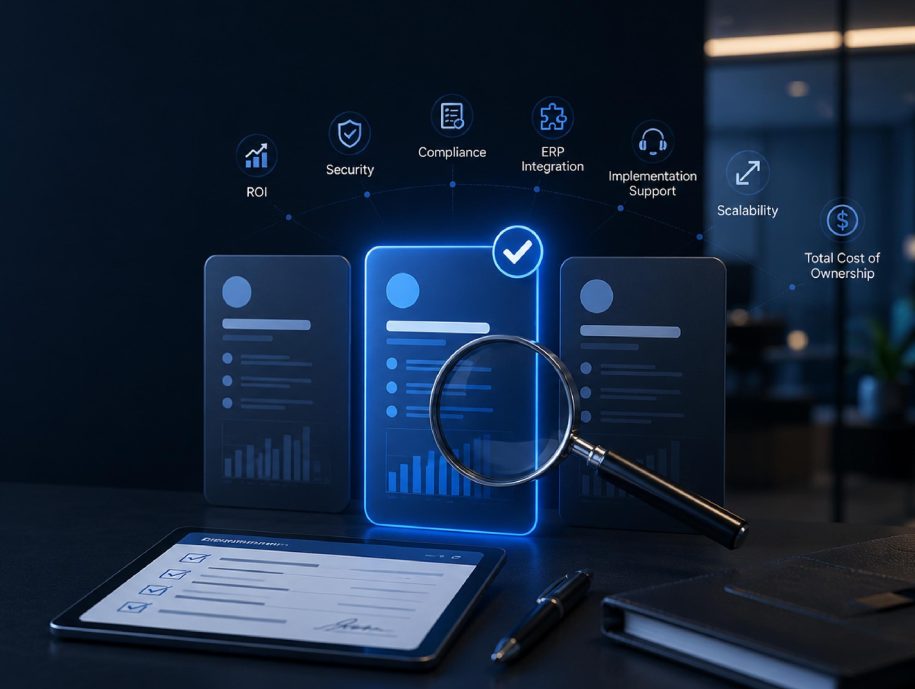
How to Choose an AI Collections Partner in 2026: A Practical Buyer’s Guide
The data is clean. The customer set is controlled. Disputes are limited. Remittance is available. The workflow is narrow. The dashboard ranks accounts neatly and shows how collectors can focus follow-up. Read More
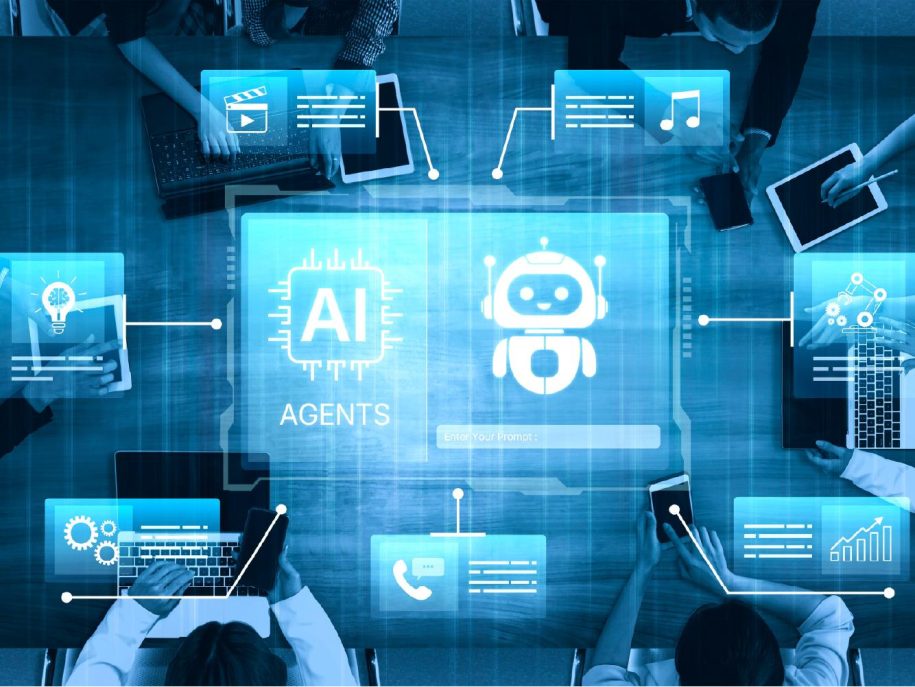
AI Model Customization and Integration: How Enterprises Build AI Fits With Business Workflows
Off-the-shelf AI doesn’t work for most enterprises. We see this constantly. A bank in New York can’t use generic fraud detection. A healthcare provider in Massachusetts needs domain expertise built into their models. Read More

Governance Before Speed: Safe Autonomy for Publishing and Content Operations
In publishing and content operations, technology rarely breaks down because it lacks power. It breaks down because it does not understand the conditions under which publishing work is actually done. Read More

Machine Learning Models Explained: Types, Algorithms, and Real-World Use Cases
Machine learning models learn patterns from data rather than relying on hardcoded instructions. They power fraud detection, recommendation engines, and autonomous decisions across banking, healthcare, retail, and manufacturing. Read More

Data Visualization Best Practices Every Organization Should Know
For teams working across financial services, healthcare, manufacturing, or capital markets, the stakes are higher still. One misleading chart in a board deck, or worse, a regulatory filing, can create real exposure. Read More

What Is a Multi-Agent System? Architecture, Benefits, and Use Cases
One agent retrieves data. Another draft’s content. A third checks compliance. A fourth executes the transaction. Put them together, wire them up so they talk to each other and answer. Read More

What Is AI Agent Orchestration? Complete Guide
AI agent orchestration is what happens when you stop letting your AI tools run separately and start making them work as a team. One agent pulls data, another analyzes it. Read More

Beyond Tokens: The Hidden Economics of Foundation Model Evolution
Generative AI has moved well beyond experimentation. Across industries, organizations have reaped significant benefits by integrating foundational models into their workflows. From scientific publishing and research operations to customer support. Read More