

AI-driven innovations have accelerated this trend. Generative AI revolutionizes supply chain management by analyzing large datasets, identifying patterns, and enabling businesses to make more informed, data-driven decisions beyond traditional chatbots. Read More

Straive’s Focus on Emerging Publishing Trends at the Frankfurt Book Fair 2024
The industry is transforming with AI innovations, accessibility mandates, sustainability efforts, and the rising demand for audiobooks and podcasts. These key trends will dominate the discussions at this year’s event. Read More
AI for Impact Ep 5: FinTech’s Future & AI Fraud Detection with Sukruth
Sukruth Pillarisetti, with over 15 years in data, analytics, and business strategy, was Practice Lead at EXL. He led a global team of 350+ professionals, managing the US-West region’s P&L. Read More

How Data Science is Transforming Warehouse Performance?
Integrating data science into warehouse operations is changing how businesses approach optimization. By leveraging data analytics, companies can gain valuable insights into their operations, identify bottlenecks, and make informed decisions. Read More
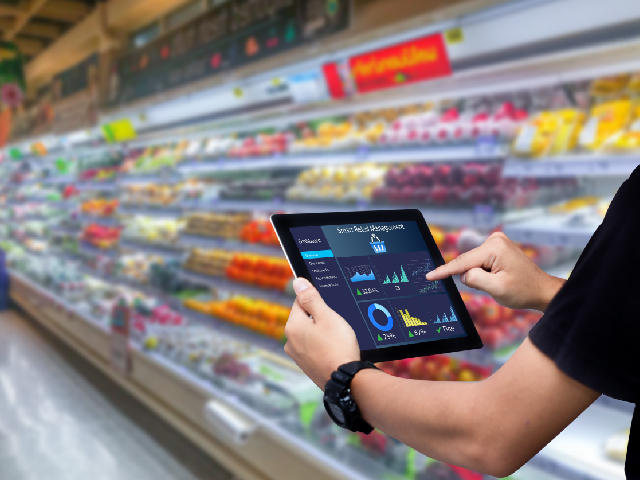
How Intelligent Automation is Solving Retail’s Biggest Challenges?
As the retail industry continues to expand, intelligent automation technologies will increasingly influence its trajectory, enabling retailers to further maintain a competitive edge while enhancing and delivering exceptional customer experiences. Read More
AI for Impact Ep 4:The Rise of GenAI with Jishnu Gupta
Jishnu examines GenAI’s early phase, noting most applications remain in R&D. He highlights regional differences like Europe’s data protection focus and identifies logistics, manufacturing, and customer service as leading adopters. Read More

Ensuring Data Privacy with Data Anonymization Techniques
Data anonymization plays a critical role in building trust in AI systems by protecting personal information. Several key anonymization techniques, such as data masking, are briefly described in Exhibit 1. Read More

AI for Impact Ep 3: GenAI for Enterprises with Naveen Gattu
Naveen highlights how GenAI is rapidly transforming modern business operations, significantly cutting task completion times from months to weeks, boosting efficiency, productivity, and enabling faster decision-making across various industries worldwide. Read More

Hyper-personalized Finance: A Game Changer
To remain competitive in today’s market, banks and financial institutions must harness AI-driven data analytics. This enables them to provide personalized recommendations and targeted offerings, making traditional methods effectively obsolete. Read More

How to Overcome Challenges in Cold Chain Management with AI
The cold chain ensures the safe transport of temperature-sensitive products, maintaining precise conditions throughout the supply chain to preserve their quality, safety, and efficacy from production through to final delivery. Read More

AI for Impact Ep 2: LLMs – The Alien Tech Dilemma with Anand S.
In this episode of AI for Impact, Anand S., Straive’s Head of Innovation and one of India’s top 10 data scientists, shares his unique insights as an esteemed “LLM psychologist.” Read More

A Trifecta of Supply Chain Gains with Digital Twins
Digital twins help businesses optimize operations, improve decision-making, enhance risk management, and boost efficiency across supply chains, resulting in better outcomes through real-time monitoring, predictive maintenance, and comprehensive data analysis. Read More

How AI is Revolutionizing Fraud Detection in the Finance Sector
In fraud detection, synthetic data enhances AI models by simulating diverse fraudulent behaviors, enabling them to more effectively identify, analyze, and prevent potential threats, thereby significantly strengthening overall security measures.
Read More

From Data to Decisions: A Guide to Commercial Analytics in the Pharma Industry
In the pharmaceutical industry, the role of commercial analytics is becoming increasingly crucial for driving sustainable growth, enhancing operational efficiency, optimizing market strategies, improving decision-making, and fostering a competitive advantage. Read More

Leaping into the Future of Sustainability with Digital Twins
The rise of socially conscious consumers and the increasing focus on ESG goals make digital twin technology an ideal solution for driving comprehensive sustainability initiatives within businesses and various industries. Read More