
Posted on: April 02nd 2026
The conversations at this year’s London Book Fair made one thing unmistakably clear. The publishing industry is no longer exploring change. It is confronting it. What was once theoretical is now contractual, operational, and immediate.
Across discussions with publishers, platform providers, and technology leaders, a set of clear priorities emerged. Together, they highlight not just where the industry stands today, but where it must move next.
Accessibility Is No Longer Aspirational. It Is Mandatory
A strong undercurrent across the event was the growing urgency around accessibility compliance, particularly ADA Title II requirements rolling out between April 2024 and 2026.
This is not simply a regulatory checkbox. Accessibility is rapidly becoming embedded into contractual obligations, fundamentally reshaping how publishers think about their content lifecycle.
The challenge is twofold:

Scale and complexity. Backfile inventories span decades, formats, and fragmented systems

Cost and timelines. Retrofitting accessibility at scale requires significant investment and coordination
What makes this moment critical is that accessibility can no longer be treated as a downstream activity. It must be integrated upstream into workflows, metadata structures, and production pipelines.
Organizations that succeed will move from reactive remediation to proactive, accessibility-first publishing models.
AI Has Crossed the Line from Curiosity to Capability
Last year’s question was, “What is AI?”
This year’s question is, “How do we operationalize and govern it?”
That shift signals a clear maturation.
Publishers are no longer experimenting in isolation. They are now focused on:
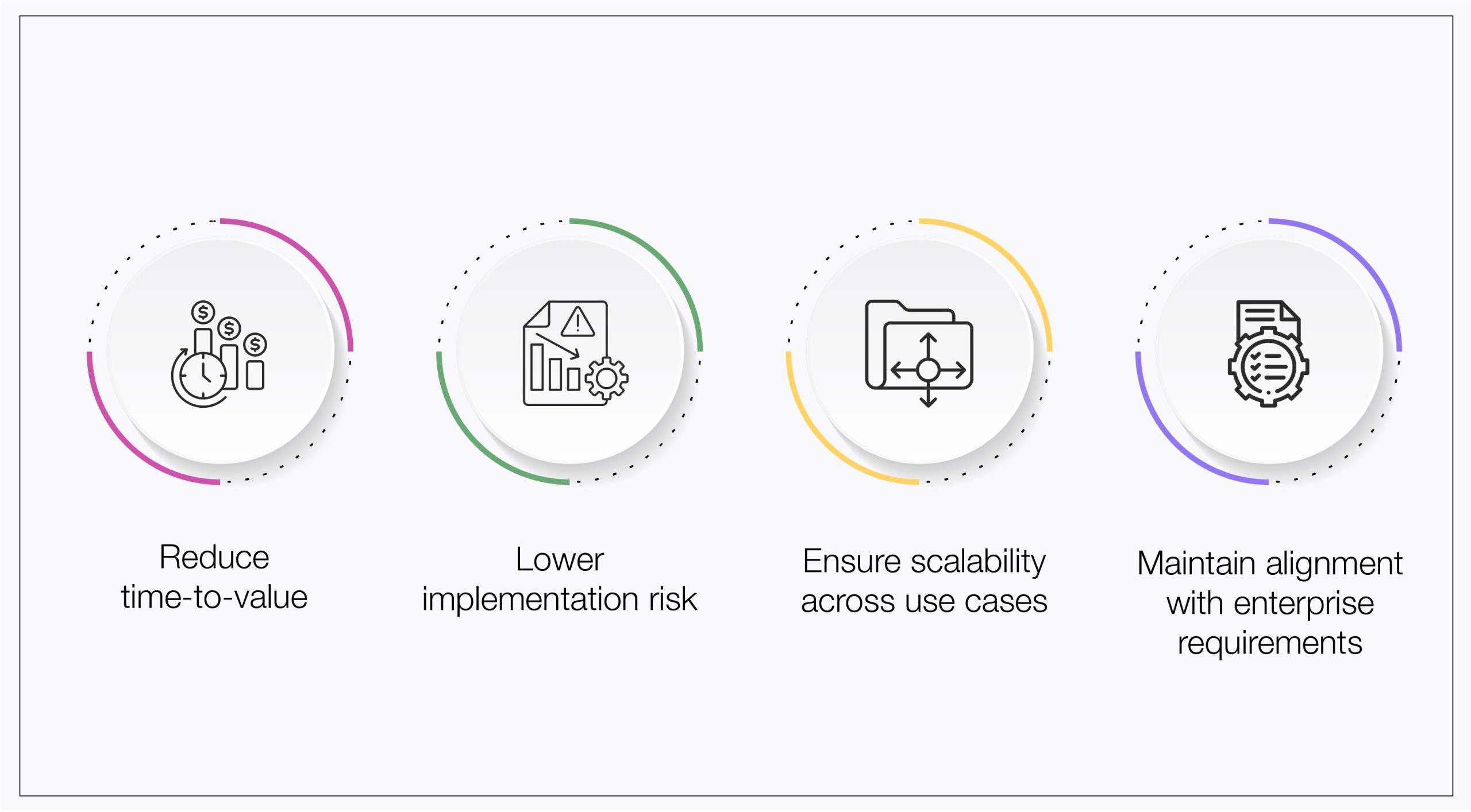
The conversation has evolved from tools to systems of execution.
However, with this maturity comes a new challenge. AI value is no longer unlocked through isolated innovation. It depends on how well organizations can integrate AI into existing ecosystems while maintaining control over quality, compliance, and cost.
Rights Management Has Become the New Battleground
As AI adoption accelerates, so does scrutiny around content ownership and usage.
Licensing models are evolving rapidly, and with them, the importance of robust data and rights management frameworks.
Publishers are grappling with questions such as:
What content can be used to train AI models?
- How is usage tracked and monetized?
- How do we protect intellectual property while enabling innovation?
This is no longer a legal side conversation. It is becoming central to digital strategy.
Organizations that invest in structured, transparent, and scalable rights management will be better positioned to participate in the emerging AI-driven ecosystem without exposing themselves to risk.
The Straive Edge. Bridging Speed and Precision
Amid these shifts, one gap became evident. Many organizations are caught between two extremes:

SaaS solutions that offer speed but limited flexibility

Custom development approaches that offer flexibility but are slow and expensive
The need of the hour is a middle path. One that delivers enterprise-grade speed with bespoke precision.
This is where Straive’s approach stands apart.
With a robust suite of 500+ cross industry accelerators and toolkits, we enable organizations to move from concept to execution faster. Our accelerators span the entire value chain across multiple industries:
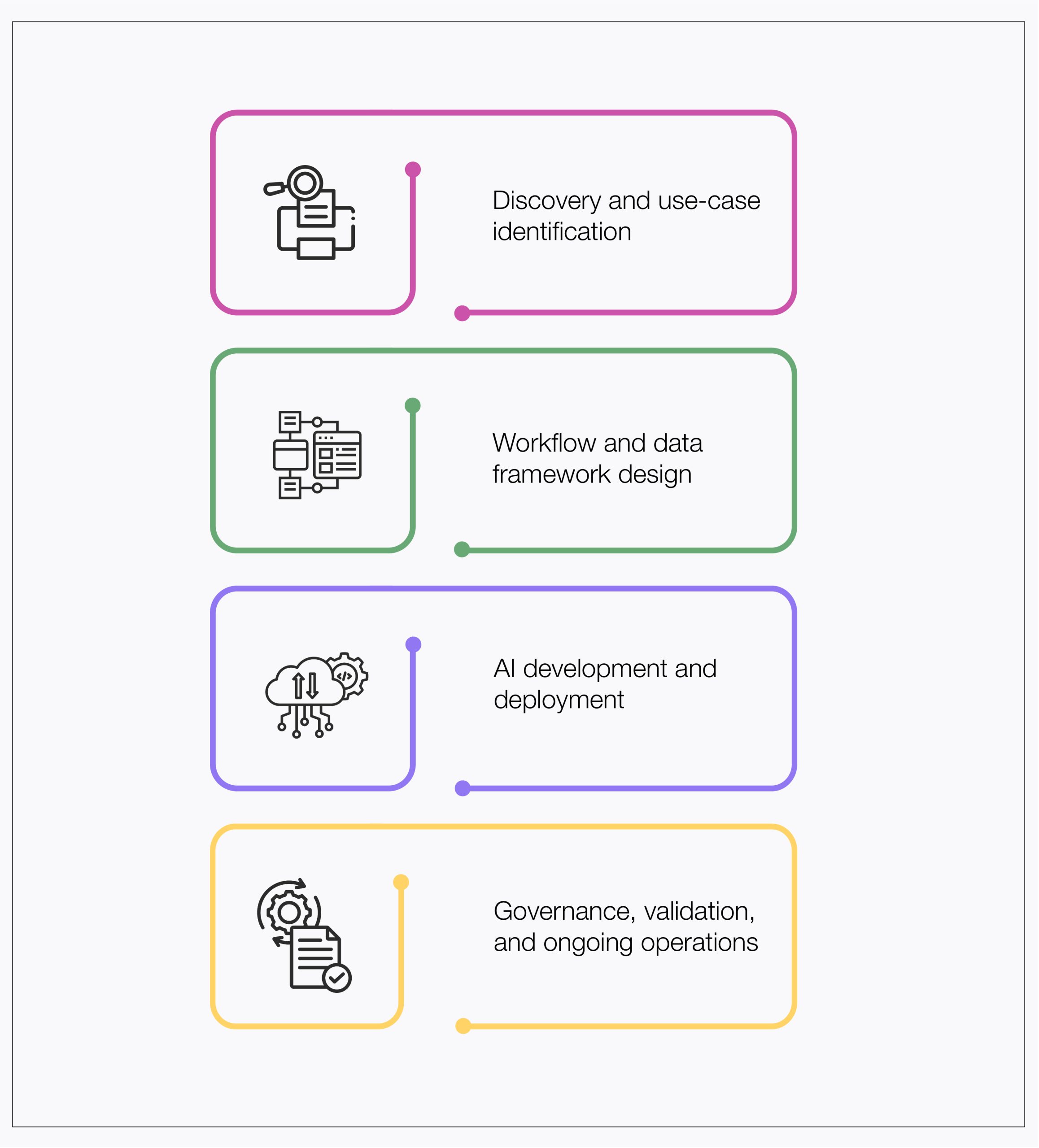
This modular, accelerator-led model allows us to:
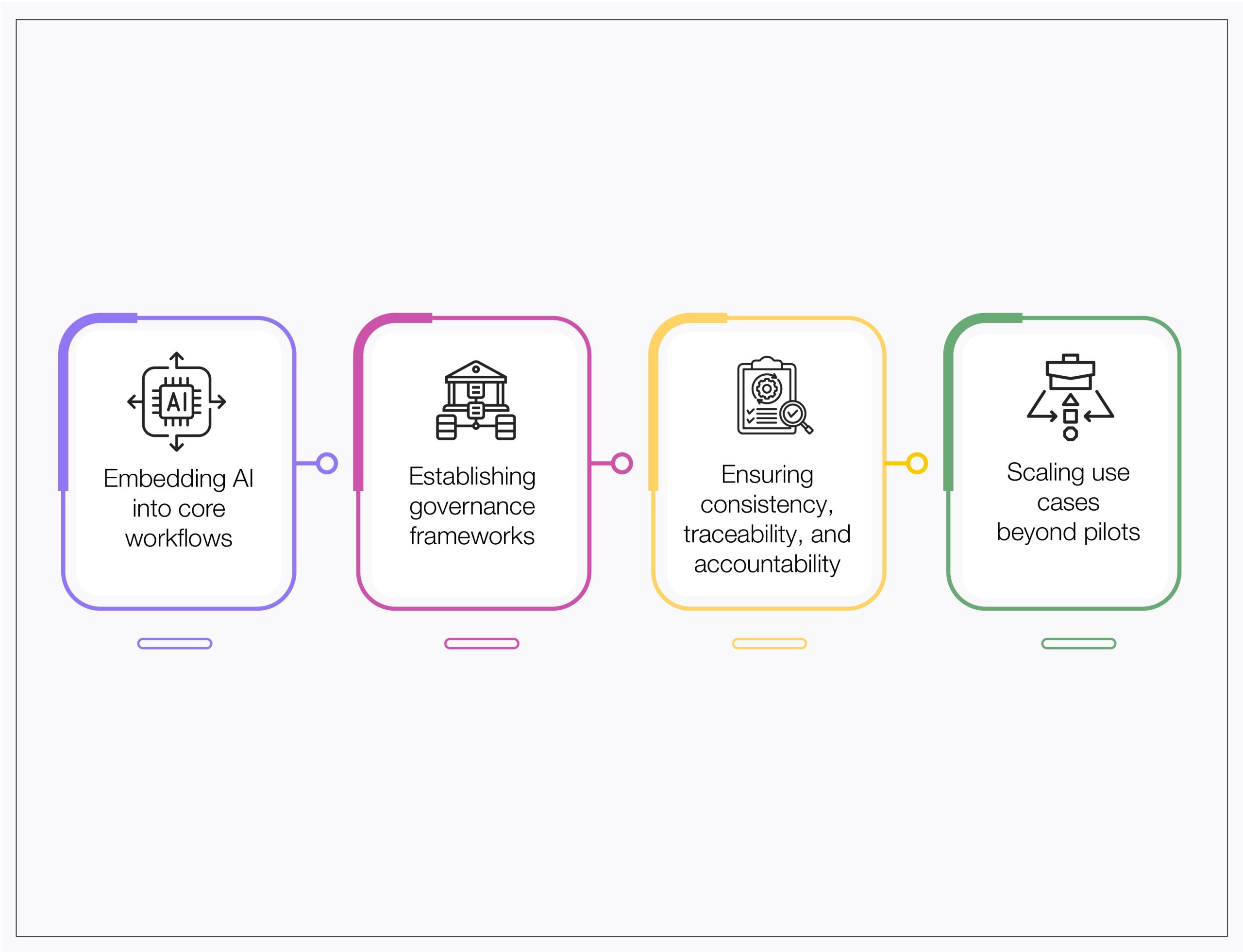
In essence, we operate in the sweet spot. Combining the agility of SaaS with the depth of custom solutions.
Moving Forward. From Insight to Action
The London Book Fair reinforced a simple but powerful reality. The industry is entering a phase where execution matters more than intent.
Accessibility, AI, and rights management are no longer parallel conversations. They are deeply interconnected, shaping how content is created, governed, and delivered at scale.
The organizations that will lead are those that can operationalize these shifts cohesively and embed them into core workflows and strategy.
At Straive, we see this moment as an opportunity. Not just to support transformation, but to accelerate it.
Because in today’s environment, the advantage does not go to those who understand change. It goes to those who can implement it.

Straive helps clients operationalize the data> insights> knowledge> AI value chain. Straive’s clients extend across Financial & Information Services, Insurance, Healthcare & Life Sciences, Scientific Research, EdTech, and Logistics.


