
Posted on: October 5th 2026
Introduction: The Mechanics of Pre-Settlement Leakage
In enterprise commercial operations, revenue leakage rarely signals an overnight billing collapse. It accumulates quietly—the byproduct of miscalculated volume tiers, unverified claims, and uncalibrated concessions. Industry benchmark data reveals that enterprise organizations routinely cede 3% to 5% of gross revenue to administrative oversights and uncaptured allowances. In thin-margin sectors like high-volume manufacturing and wholesale distribution, that margin loss directly undermines financial stability.
Consider a standard workflow: a major distributor submits a quarterly rebate claim backed by bulk invoice logs. Facing severe processing backlogs, finance approves the payout without validating unapproved entities or offsetting product returns. The claim gets settled, but the concession lacks contractual backing—quietly embedding margin loss into operational workflows long before annual audit reconciliations begin.
Why B2B Incentive Programs Are Operationally Fragile
B2B commercial structures are inherently multilayered. Manufacturers design complex incentive matrices—combining growth rebates, ship-and-debit allowances, and co-op marketing funds—while regional buying groups negotiate bespoke terms. Validating retrospective rebates requires auditing transaction logs, agreement amendments, and prior credits long after fulfillment, creating a lag that exposes operations to systemic error.
Operational silos exacerbate this exposure. Commercial pricing teams safeguard gross margin thresholds, account executives grant custom overrides to achieve targets, and procurement teams pursue uncoordinated allowances. When internal departments operate under competing priorities, trade concessions compound into ongoing profitability erosion.
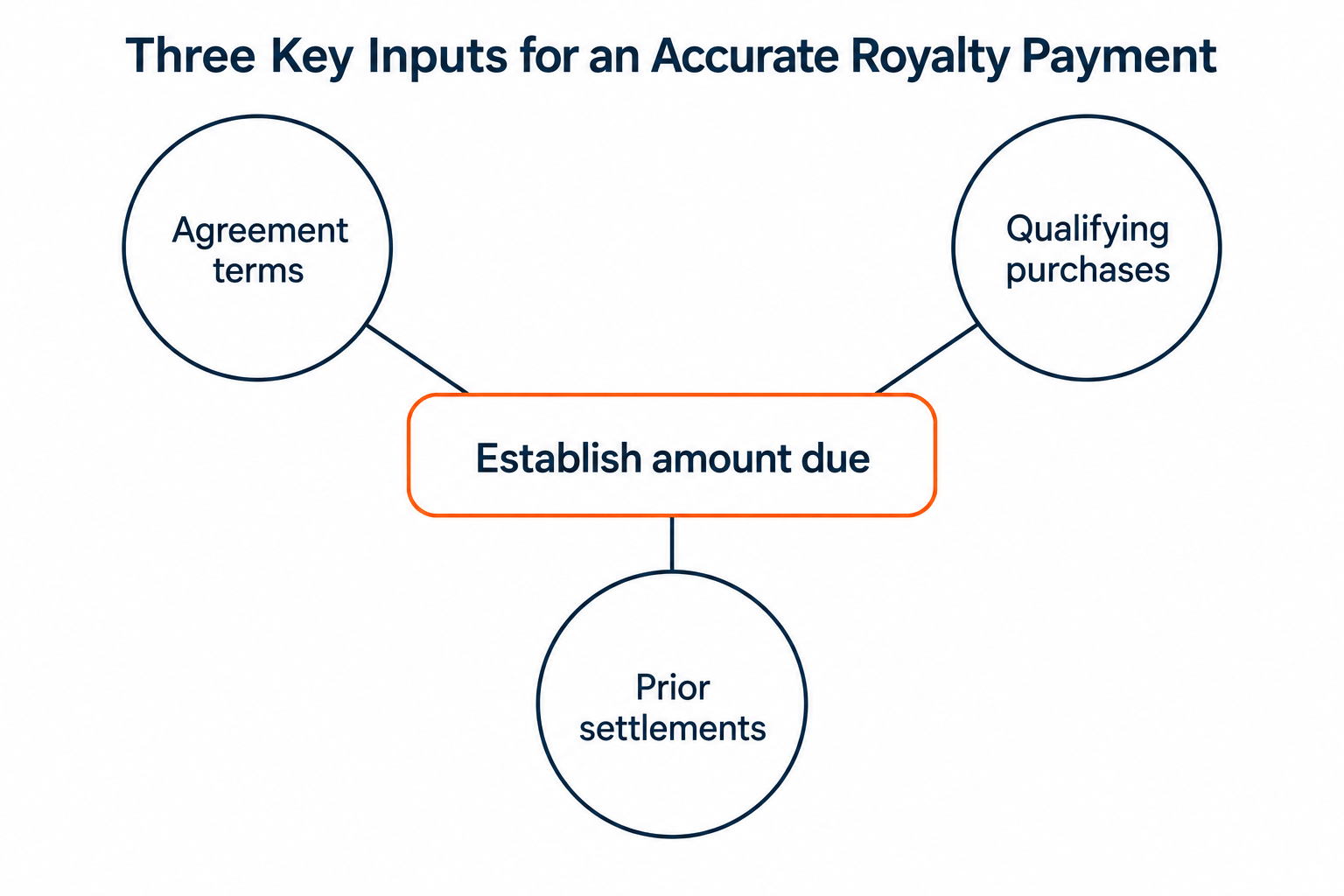
A submitted claim is evidence to evaluate against governing terms, not definitive proof of the amount payable.
Reason 1: Complex, Inconsistent, or Overlooked Eligibility Rules
Rebate eligibility depends on granular combinations of SKUs, territories, fulfillment channels, and payment schedules that manual processes consistently miss. Consequently, unauthorized account consolidations and excluded promotional products routinely pass as qualifying volume. Governance frameworks eliminate this vulnerability by validating master service terms against real-time ERP records, verifying every transaction before concessions clear.
Reason 2: Suboptimal Claims Tracking Allows Duplicate Payouts
Without centralized case visibility, teams frequently process resubmitted or amended partner filings as new requests, triggering duplicate disbursements. Disconnected tracking also allows claims backed by previously issued credit memos or promotional allowances to clear undetected. Modern analytical architectures mitigate these vulnerabilities by auditing payment telemetry against reference data to isolate duplicates prior to sign-off.
Reason 3: Fragmented Master Data Causes Commercial Drift
Data fragmentation across CRM, CPQ, and ERP platforms leads teams to evaluate claims against outdated price lists, incorrect corporate hierarchies, or expired contract addenda. Aligning customer and pricing definitions across enterprise systems stops this drift. Integrated revenue engines maintain continuous alignment across data repositories, keeping pricing tiers and effective dates synchronized.
Reason 4: Manual Exception Handling Turns Policy Deviations into Permanent Losses
Informal concessions—such as temporary SKU substitutions or unrecorded tier adjustments—become structural liabilities when granted without explicit expiration windows. Partners continue claiming off-book allowances indefinitely. Structured exception governance enforces defined routing paths, business rationales, and hard end dates to keep commercial adjustments bounded and transparent.
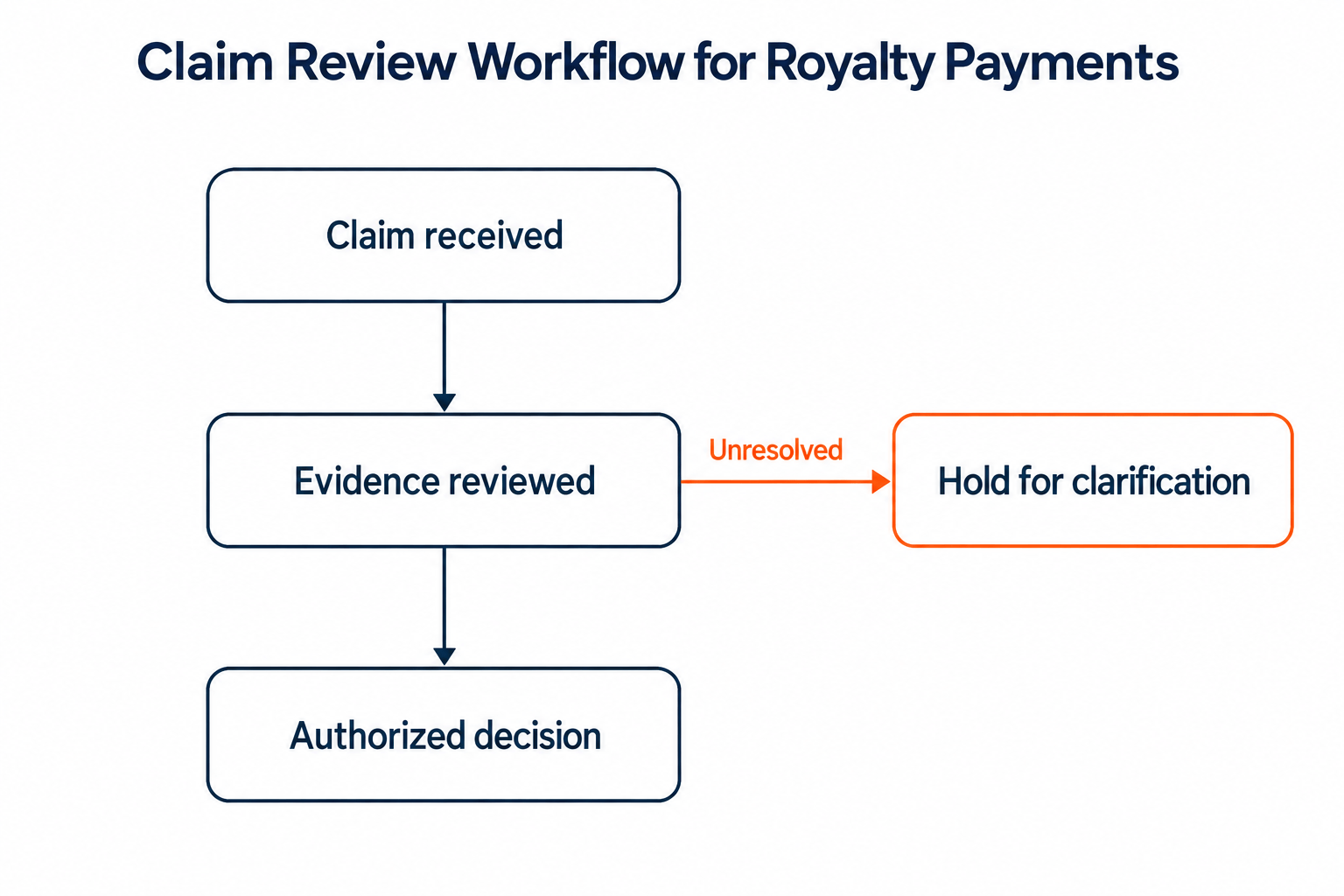
An exception granted without a recorded scope, commercial justification, and expiration date becomes an unintended, permanent financial liability.
Reason 5: Backward-Looking Audits Fail to Catch Post-Sale Adjustments
Quarterly audits occur long after settlement, missing post-sale merchandise returns, order cancellations, and price adjustments that reduce qualifying sales volume. As a result, suppliers pay rebates on gross sales figures later diminished by credits. Automated reconciliation engines resolve this exposure by continuously mapping ledger debits, credit memos, and disbursements in real time to calculate net settlement obligations.
Reason 6: Divided Ownership Neglects the Revenue Lifecycle
Divided responsibilities across sales, finance, and customer support leave end-to-end commercial operations without central oversight. Uncoordinated handoffs lead to recurring discrepancies being written off as cost-of-doing-business noise. Unifying these workflows under dedicated operational ownership ensures every variance is investigated, escalated, and resolved with financial rigor.
How Advanced Intelligence Transforms Rebate Operations
Deploying intelligent automation within commercial operations is a fundamental necessity for margin preservation. Modern enterprise platforms combine machine learning, natural language processing, and rule-based validation engines to protect revenue throughout the commercial lifecycle:
- Automated Contract Ingestion and Rule Extraction: Natural language processing models digest complex customer contracts, master agreements, and addenda, converting unstructured legal clauses into operational validation rules within billing systems.
- Real-Time Eligibility Checks: Validation workflows evaluate line-item transaction records against program criteria, flagging unapproved products, territory mismatches, or invalid tier groupings before claims are authorized.
- Predictive Anomaly Detection: Machine learning algorithms monitor submission patterns, unexpected volume spikes, duplicate invoice numbers, and uncredited return trends across historical ledgers.
- Continuous Multi-System Reconciliation: Automated engines replace manual spreadsheet matching by constantly synchronizing sales debits, credit adjustments, cash disbursements, and ERP sub-ledgers to calculate exact net obligations.
Technology alone cannot plug revenue leakage. Software provides speed and analytical visibility, but human domain expertise is required to evaluate context, manage complex partner escalations, and exercise sound business judgment. Sustainable margin protection relies on pairing technology with operational discipline.
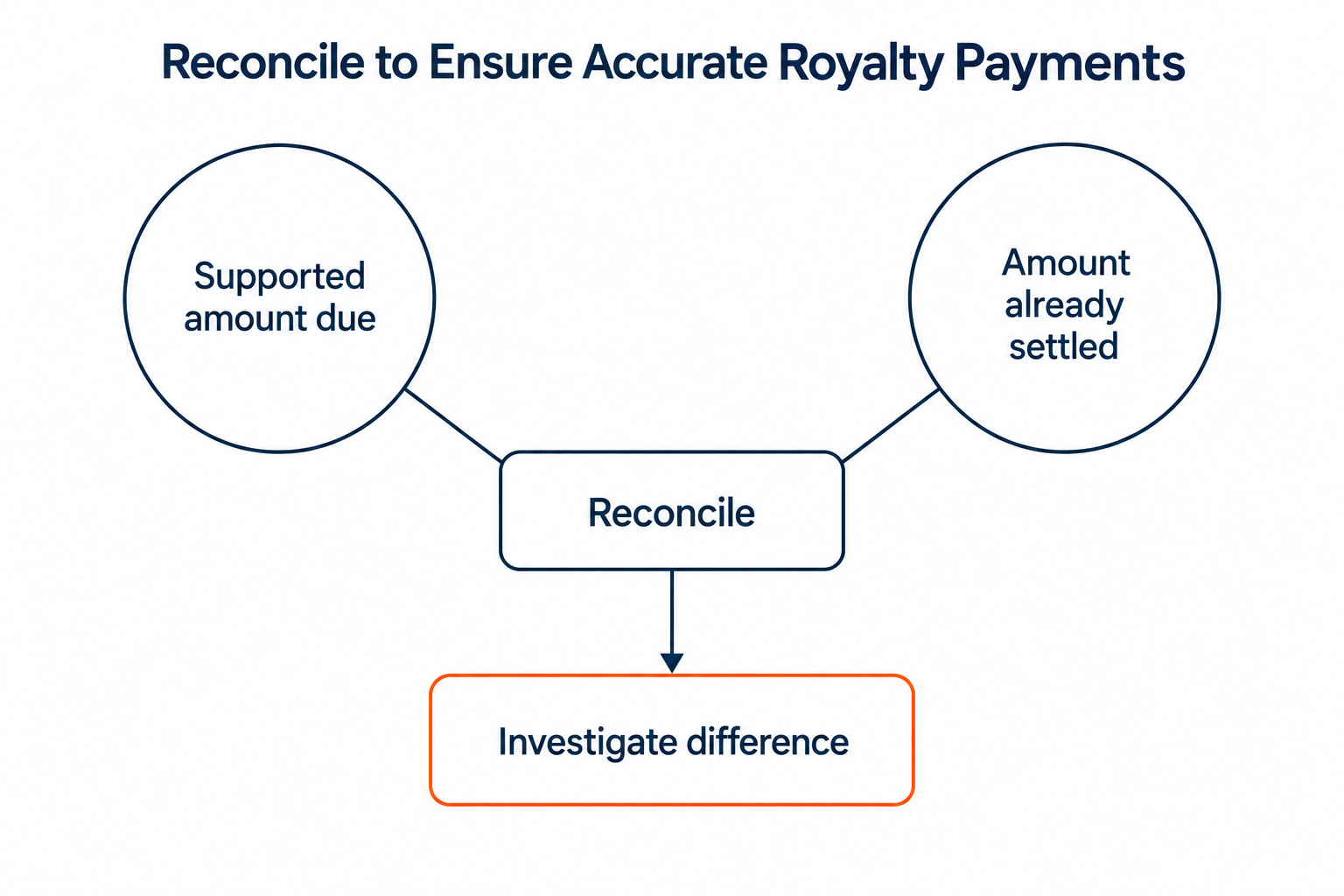
Comprehensive investigation determines whether a discrepancy stems from timing differences, data errors, an authorized exception, or confirmed revenue leakage.
Conclusion: Revenue Assurance Demands Operational Execution
Preventing revenue leakage requires more than installing standalone software. It demands a connected operational model where contract terms, transaction auditing, exception management, and ledger settlements stay aligned. Without disciplined execution and clear oversight, software simply automates inefficient, leak-prone routines.
How Straive Elevates Commercial Operations
Straive bridges the operational gap between automation technology and commercial execution. By pairing advanced capabilities—such as automated contract parsing and real-time anomaly detection—with specialized domain expertise in financial workflows and operational orchestration, Straive delivers end-to-end revenue assurance that scales alongside complex commercial programs.
- Rigorous Eligibility Validation & Document Review
Straive’s operational specialists audit incoming claims against contract terms, account hierarchies, SKU catalogs, and transaction ledgers. Validating documentation completeness early in the processing cycle halts noncompliant requests before payouts clear.
- Standardized Exception Governance
Commercial exceptions are managed through auditable, structured workflows. Straive documents business rationale, enforces approval hierarchies, logs expiration dates, and maintains clear decision records—preventing short-term concessions from becoming permanent margin drains.
- End-to-End Case Aging, Escalation & System Integration
Straive provides operational oversight across every phase of the claim lifecycle. By managing processing backlogs, guiding cross-departmental escalations, and executing precise downstream updates in ERP and CRM systems, Straive removes bottlenecks while ensuring leadership maintains strategic control.
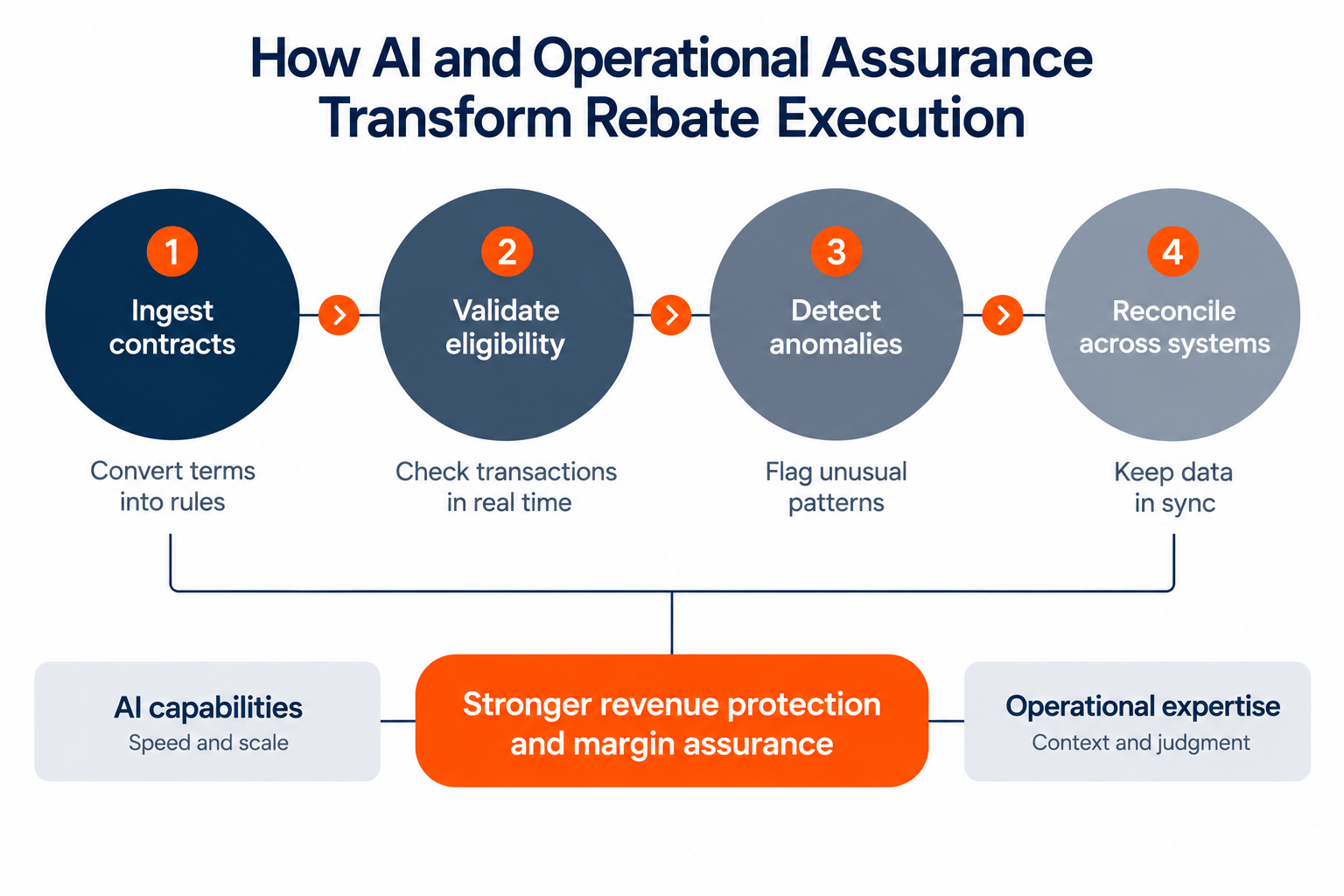
Through disciplined execution, rigorous rule enforcement, and continuous monitoring, Straive helps global organizations protect operating margins, maintain compliance, and eliminate systemic revenue leakage.

Priya Roy is Vice President, Delivery Leadership at Straive, where she translates ambitious growth strategy into high-performing customer experience and technology operations. With deep expertise in large-scale transformation, she offers a practical leadership perspective on scaling AI, elevating service excellence, and turning operational complexity into lasting enterprise value.


