
Posted on: July 21st 2026
Why Scientific Images Require a Different Accessibility Strategy
Creating effective alt text for scientific images is one of the most complex challenges in scientific, technical, and medical (STM) publishing.
Accessibility has become a fundamental requirement of digital publishing. Yet for STM publishers, creating accessible content presents a unique challenge. While alt text is commonly used to describe images across websites and digital publications, scientific figures often contain data, evidence, and relationships that cannot be adequately conveyed through a simple description.
In many forms of publishing, images support the narrative. In STM publishing, images frequently serve as primary evidence. A microscopy image, gene expression heat map, engineering schematic, or clinical scan may contain critical information that readers need to interpret, verify, and apply. When these visuals are inaccessible, researchers who rely on assistive technologies can lose access to information that is essential to understanding the work.
As accessibility standards continue to evolve, publishers must move beyond treating alt text as a compliance requirement and instead view it as an integral component of scientific communication.
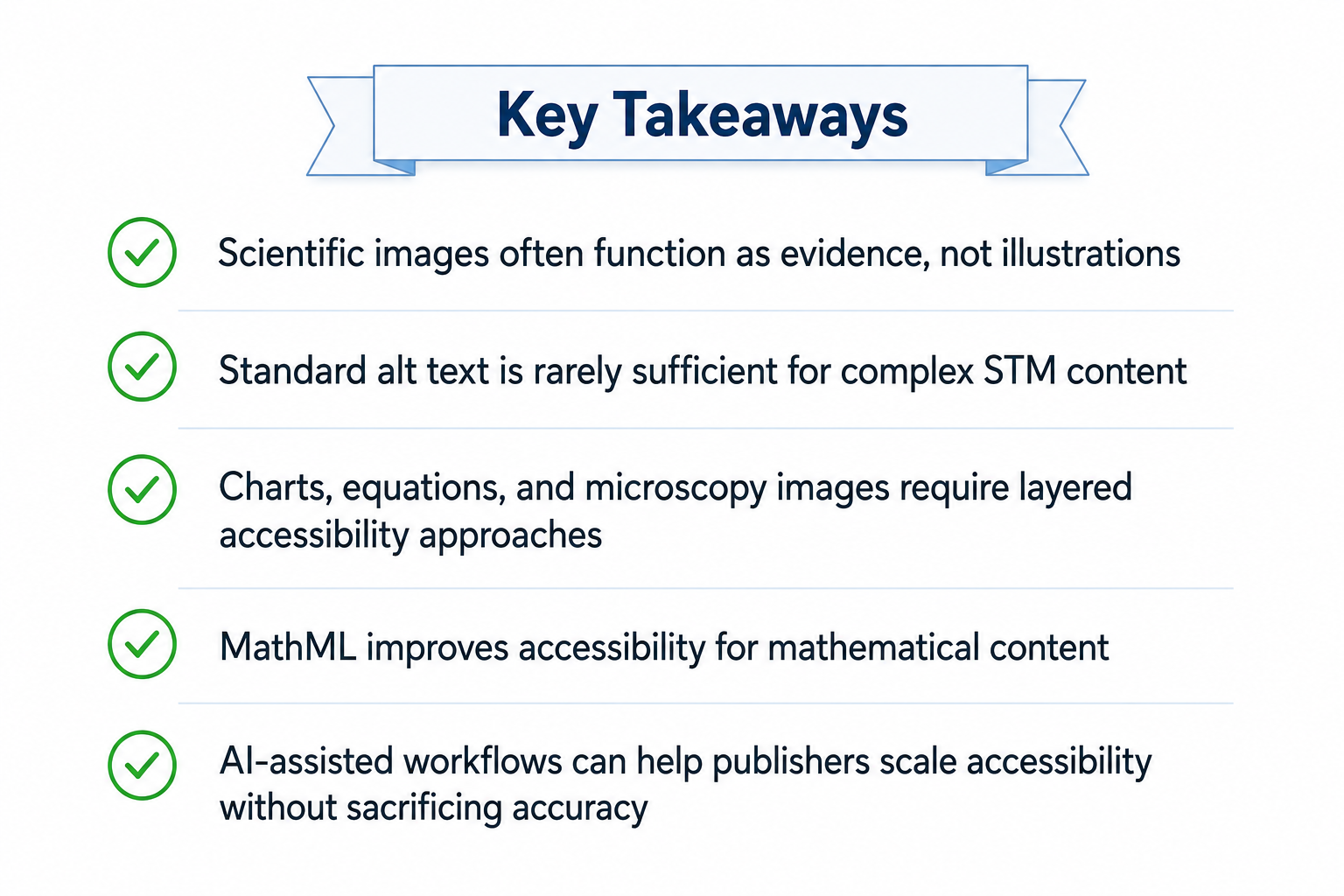
Figure 1: Why scientific images need a unique accessibility approach.
The Information Density Challenge
The primary challenge of scientific accessibility is information density.
Consider a home improvement article that recommends using a dovetail joint. The accompanying image helps readers visualize the concept, but the core instruction remains understandable through text. In contrast, a microscopy image in a research article may contain critical information about cellular morphology, staining patterns, or protein expression. The image itself becomes part of the scientific argument.
A generic description such as “image of a stained cell” may technically satisfy accessibility requirements, but it fails to communicate the evidence contained within the image. The result is not simply an accessibility issue. It is a loss of scientific information.
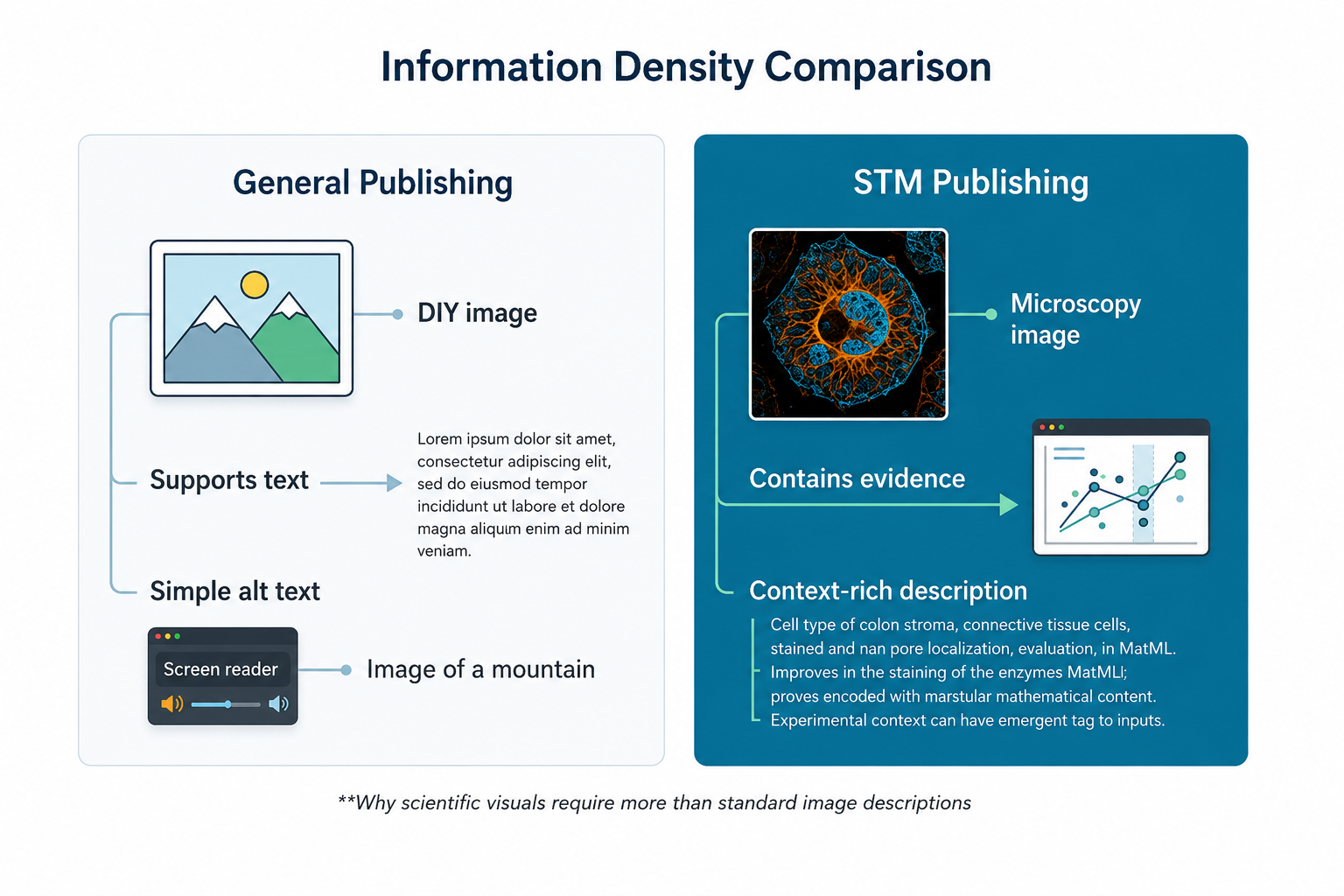
Figure 2:Information Density Comparison between standard digital publishing (where visuals support a textual narrative) and STM publishing (where visuals serve as core experimental evidence).
The same principle applies to charts, graphs, and diagrams. A line graph showing experimental results requires more than identification. Users need access to trends, peaks, anomalies, and relationships between variables. Effective image descriptions for academic journals must communicate the purpose and significance of the visual, not merely its existence.
For STM publishers, alt text functions as a bridge between visual evidence and textual understanding. The goal is not to describe what an image looks like, but to convey what the image means within the context of the research.
Why Context Matters
There is no universal formula for writing alt text for scientific content.
The appropriate description depends on the audience, publication type, and purpose of the visual. A figure appearing in a first-year biology textbook may require a different description than the same figure appearing in a specialist journal or clinical reference manual.
For example:
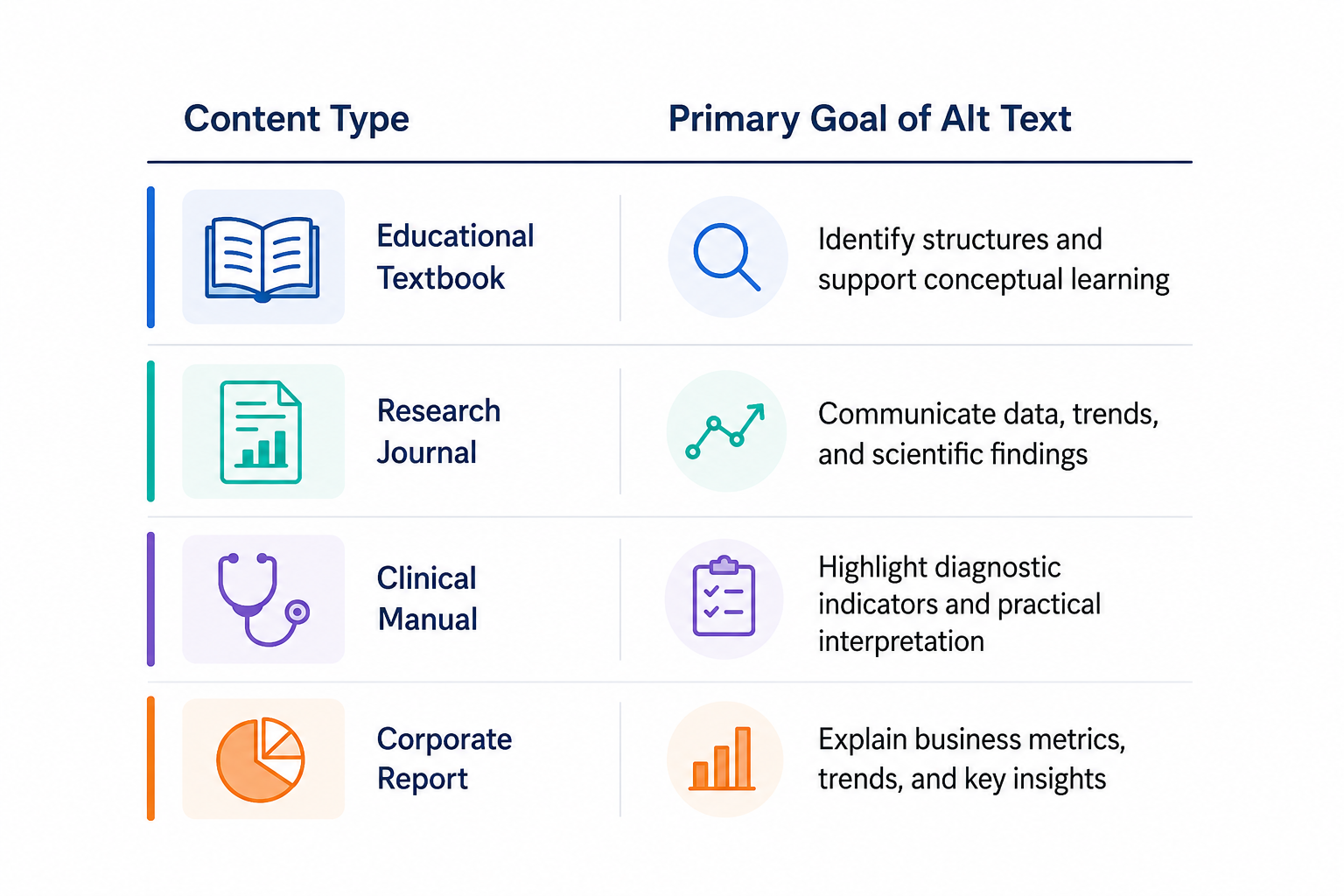
Figure 3: Alt text objectives across educational, research, clinical, and corporate contexts.
This contextual dependency presents a significant challenge for automated accessibility workflows. While AI can identify visual elements, it often lacks the domain expertise needed to determine which aspects of an image are most important within a specific scientific context.
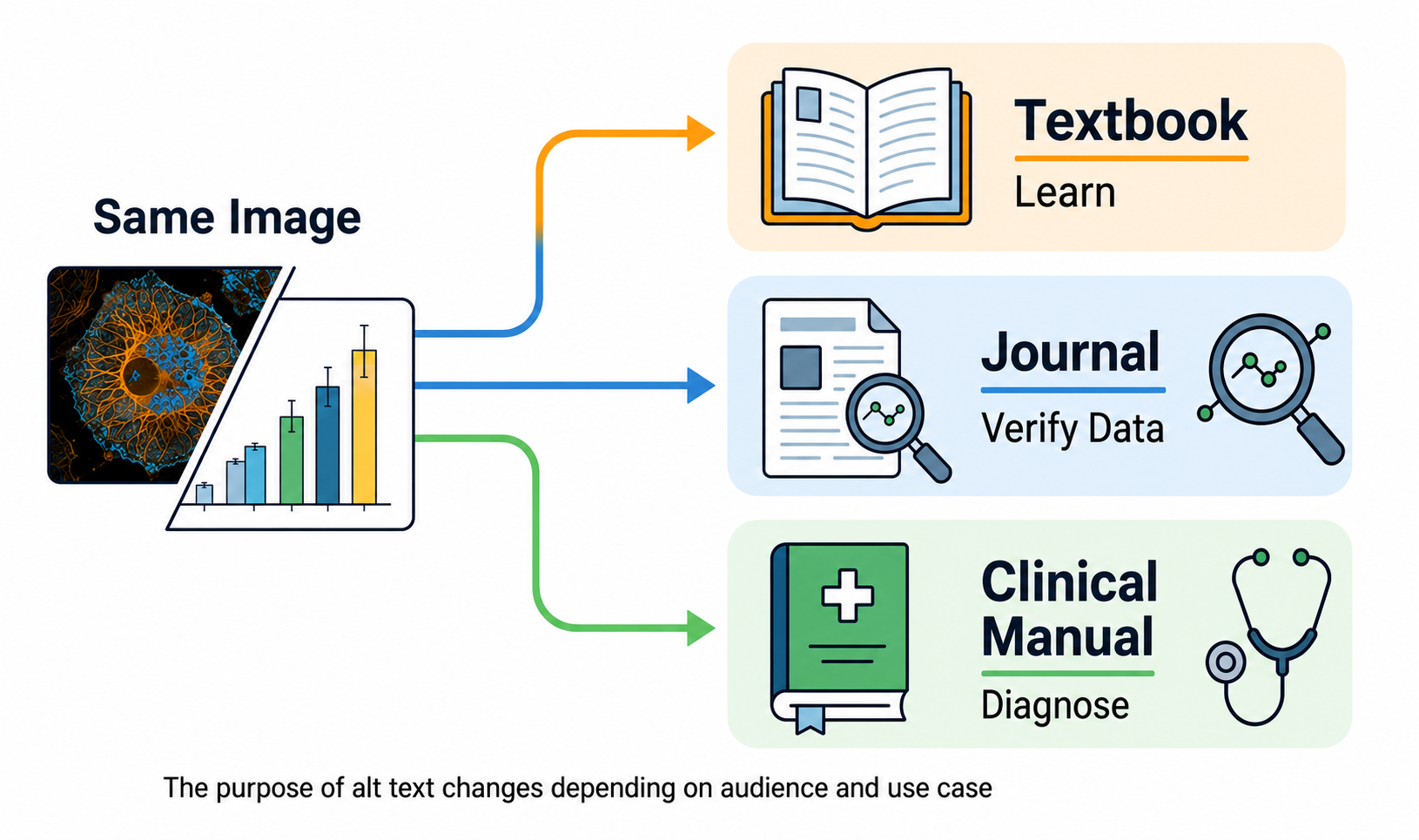
Figure 4: The Accessibility Matrix mapping how identical scientific images require distinct alt-text strategies depending on the pedagogical or professional intent of the publication type.
A microscopy image may contain dozens of observable features, but only one may be relevant to the paper’s central hypothesis. Determining that distinction often requires subject matter expertise rather than image recognition alone.
Beyond Basic Alt Text: WCAG Requirements for Scientific Charts and Graphs
The Web Content Accessibility Guidelines (WCAG) require text alternatives for non-text content. However, scientific content frequently exceeds the capabilities of standard alt text.
Short descriptions work well for simple visuals, but complex figures often require multiple layers of accessibility support. Effective alt text for graphs under WCAG often combines concise summaries with detailed descriptions and structured data.
A practical approach includes three levels:
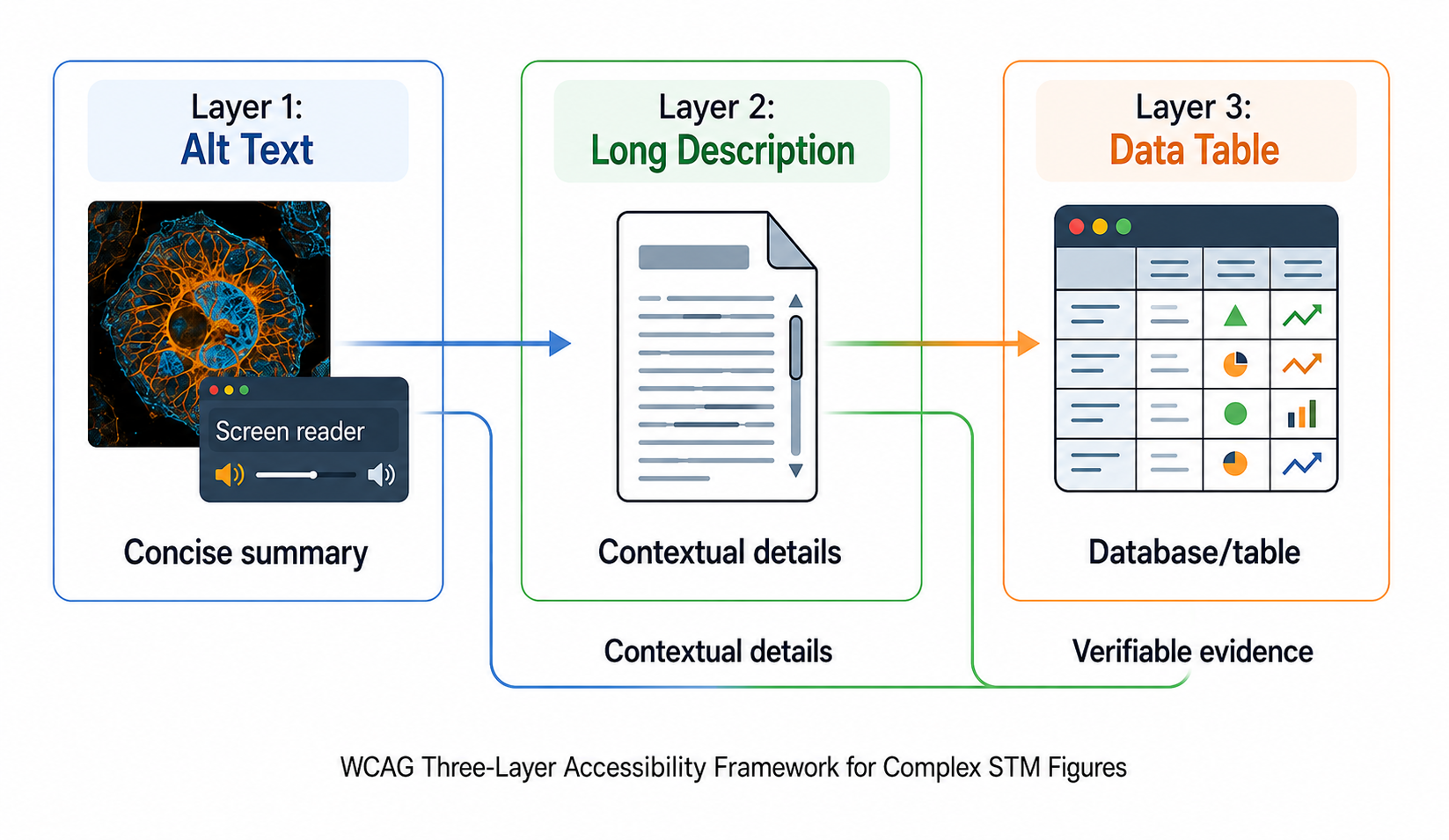
Figure 5: Three-layered framework for making complex data visualizations WCAG compliant.
1. Alt Text
The alt attribute provides a concise summary of the image’s purpose.
Example:
“Line graph showing temperature increasing steadily during a 10-minute experiment.”
2. Long Descriptions
Complex visuals may require detailed explanations that include:
- Data trends
- Axes and units
- Key findings
- Relationships between variables
- Experimental context
Long descriptions can be delivered through linked content, structured descriptions, or accessible figure captions.
3. Structured Data
For charts and data visualizations, structured tables often provide the most accessible representation of underlying values.
Publishers building accessible charts for publishing workflows should ensure that trends, outliers, scales, and relationships between variables remain available to screen-reader users. Rather than describing every point on a graph, publishers can provide the actual data in a format that users can navigate independently using assistive technologies.
This layered approach ensures that accessibility supports both quick comprehension and deeper analysis.
Making Mathematical Content Accessible
Mathematical equations present an additional challenge because they contain hierarchical relationships that are difficult to convey through plain text.
A complex equation read aloud as a linear sequence of words can quickly become difficult to follow. Users may struggle to understand fractions, exponents, nested expressions, and relationships between variables when presented in a purely verbal format.
This is why MathML has become the preferred standard for accessible mathematics.
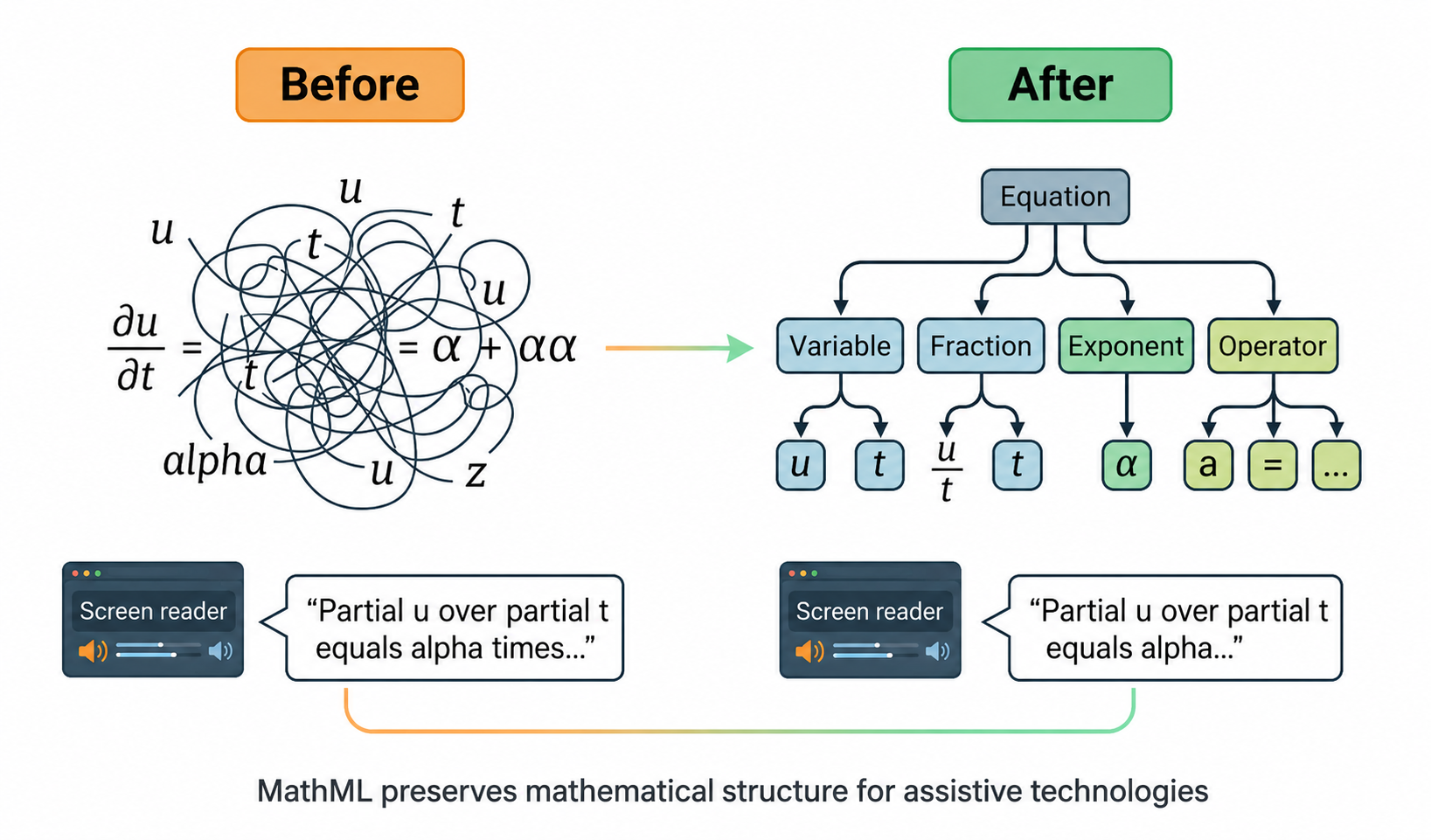
Figure 6: Structural breakdown of the 3D Heat Equation, contrasting a flat text string against a structured, hierarchical navigation tree.
Unlike static images or plain-text equations, MathML preserves the structure of mathematical content. Screen readers can interpret and navigate equations more effectively, allowing users to explore expressions at varying levels of detail.
For publishers, the most effective strategy combines multiple accessibility layers:
- MathML for semantic structure and navigation
- Alt text for high-level identification
- Source formats such as LaTeX for production workflows
- Accessible fallback rendering for legacy systems
Together, these elements create a more inclusive experience while preserving the integrity of mathematical content.
Scaling Accessibility with AI and Expert Review
While accessibility requirements are straightforward in principle, implementation becomes significantly more complex when publishers manage thousands of articles and millions of visual assets.
Traditional manual workflows often struggle to keep pace with publishing volumes. At the same time, fully automated approaches may introduce inaccuracies that compromise scientific meaning.
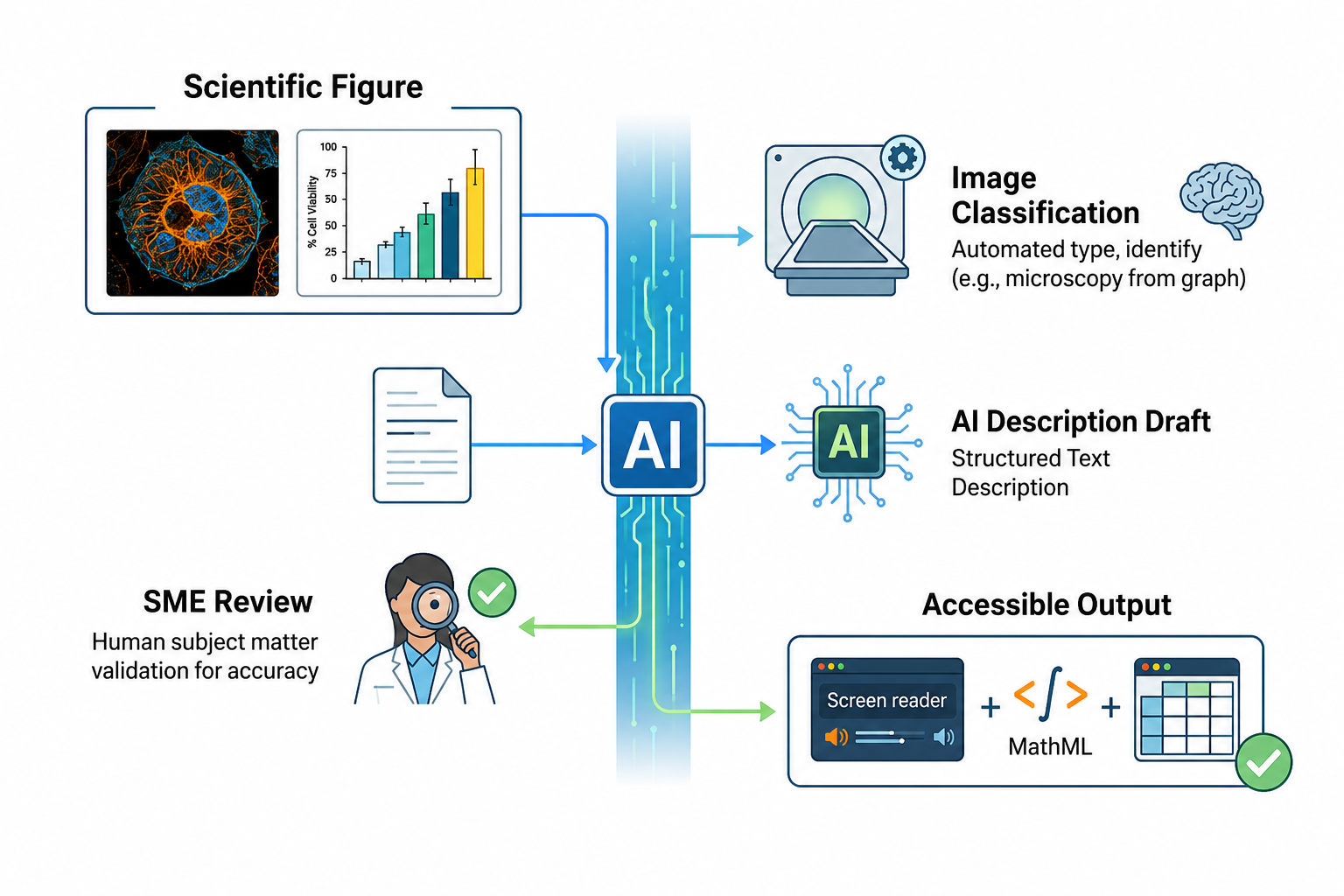
Figure 7: Balancing AI scalability with human oversight for accurate scientific alt text.
Recent advances in AI alt text generation have improved scalability, but scientific publishing still requires human oversight to validate technical accuracy, terminology, and contextual relevance.
A growing number of publishers are therefore adopting AI-assisted workflows combined with expert review. This hybrid model enables organizations to:
- Classify image types automatically
- Generate draft descriptions at scale
- Identify accessibility gaps early
- Maintain scientific accuracy through human validation
At Straive, this philosophy underpins the SPACE platform for accessibility, which combines AI-assisted classification, structured content workflows, and subject matter expert review. By integrating automation with domain expertise, publishers can scale accessibility initiatives while preserving the precision required for scholarly communication.
Best Practices for Publishers
As accessibility becomes a standard expectation across digital publishing, STM organizations should consider several foundational practices.
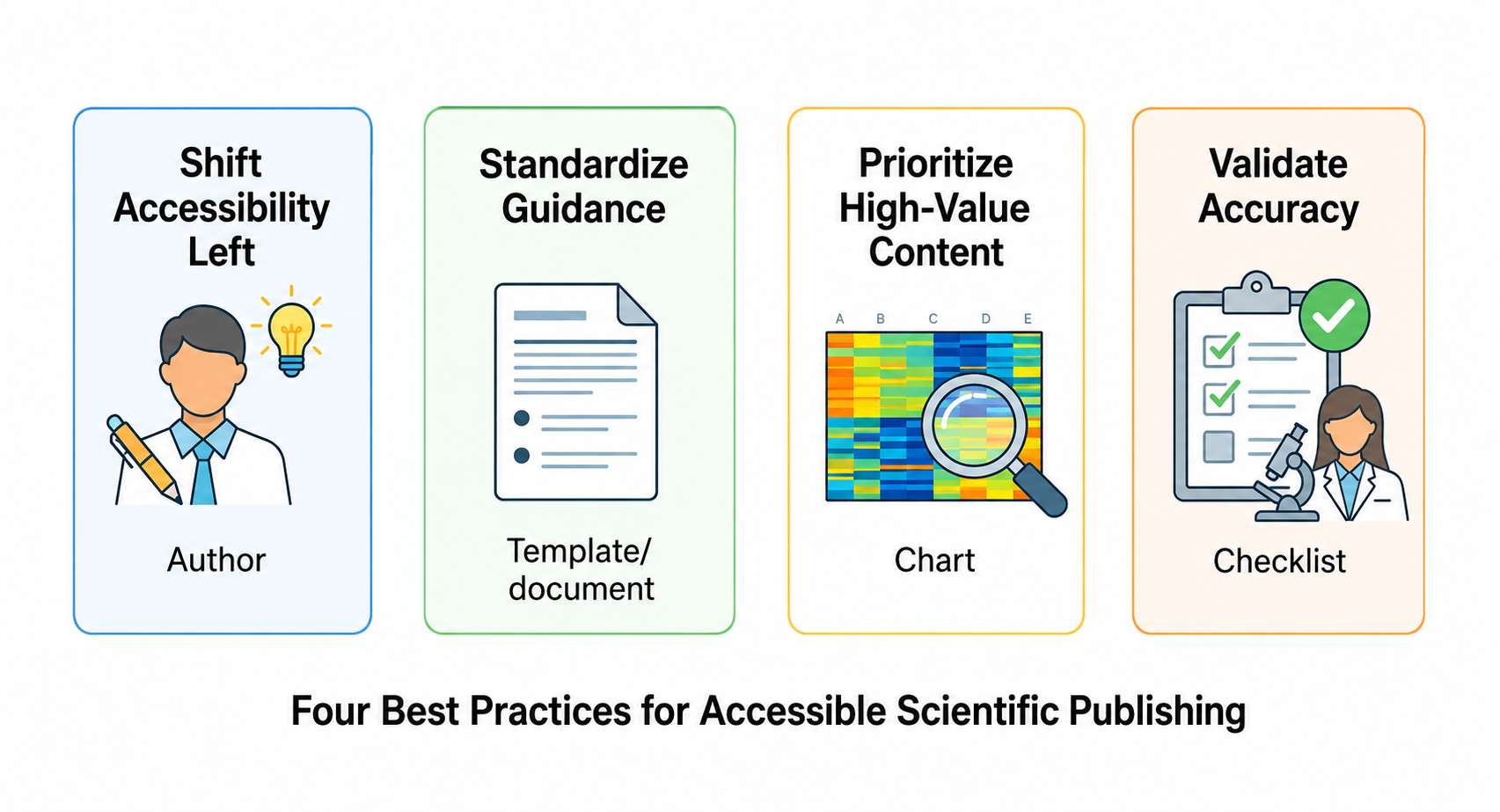
Figure 8: Foundational accessibility practices for STM publishers.
Shift Accessibility Left
Accessibility should begin during content creation rather than after production.
Authors are often the best source of information about a figure’s purpose and significance. Encouraging authors to provide initial image descriptions during submission can improve quality and reduce production effort later in the workflow.
Standardize Guidance
Providing templates and image-specific guidance improves consistency across publications.
For example, chart descriptions should consistently include:
- Axes and units
- Major trends
- Significant outliers
- Key conclusions
Prioritize High-Value Content
Publishers should focus resources on informative visuals that contribute directly to understanding the content, while decorative images should be appropriately marked so assistive technologies can ignore them.
Validate Technical Accuracy
Accessibility descriptions should be reviewed with the same rigor applied to other scholarly content.
Scientific terminology, units, scale references, and methodological details should be verified to ensure descriptions accurately reflect the original evidence.
Accessibility as Scientific Integrity
For STM publishers, accessibility is more than a compliance requirement. It is an extension of scientific integrity.
Scientific images, charts, and equations often carry essential evidence, and that evidence must remain accessible to all readers. Effective alt text for scientific images, structured accessibility workflows, and expert validation help ensure that research remains discoverable, understandable, and usable across diverse audiences and technologies.
As accessibility expectations continue to evolve, solutions such as the SPACE platform for accessibility can help publishers scale compliance efforts while maintaining the accuracy, context, and rigor that scholarly communication demands.
Conclusion
For STM publishers, accessibility is more than a compliance requirement. It is an extension of scientific integrity. Images, charts, and equations often carry essential evidence, and that evidence must remain accessible to all readers.
By combining contextual alt text, structured accessibility standards, and expert-guided workflows, publishers can ensure that scientific content remains discoverable, understandable, and usable across diverse audiences and technologies.
As accessibility expectations continue to evolve, the organizations that embed accessibility into their publishing workflows today will be best positioned to expand the reach and impact of their research tomorrow.

Straive helps clients operationalize the data> insights> knowledge> AI value chain. Straive’s clients extend across Financial & Information Services, Insurance, Healthcare & Life Sciences, Scientific Research, EdTech, and Logistics.


