
Posted on: July 1st 2026
As publishing organizations prepare for evolving accessibility regulations and 2027 compliance requirements, digital accessibility is becoming a strategic priority rather than a regulatory afterthought. The industry is moving beyond traditional accessibility remediation and simple automation toward Agentic AI: intelligent systems capable of reasoning, validating, and orchestrating complex accessibility workflows autonomously.
At Straive, we believe the future of accessible publishing and accessibility compliance lies not in incremental automation, but in intelligent orchestration powered by Agentic AI. We are witnessing the emergence of Agentic AI, a transformative shift from systems that simply generate outputs to ecosystems capable of reasoning, validating, learning, and autonomously coordinating complex workflows.
This evolution is shaping the next generation of our SPACE platform. More than a technology solution, SPACE is becoming an agentic accessibility ecosystem designed to eliminate what we call “contextual blindness”, the inability of traditional automation tools to fully understand the pedagogical, scientific, and instructional intent behind content. By combining multimodal AI agents with domain expertise and rigorous quality controls, we are enabling publishers, educational institutions, and content owners to achieve accessibility outcomes that are not only compliant, but also meaningful for end users.
| “The future of accessible publishing lies not in incremental automation, but in intelligent orchestration powered by Agentic AI.” |
Moving Beyond Automation to Agentic Intelligence
Historically, accessibility remediation has relied heavily on manual effort, often involving large-scale reviews of images, tables, equations, multimedia assets, and complex scientific content. While automation has helped accelerate portions of these workflows, most solutions remain limited by their inability to understand context, domain specificity, and instructional intent.
Agentic AI changes this equation.
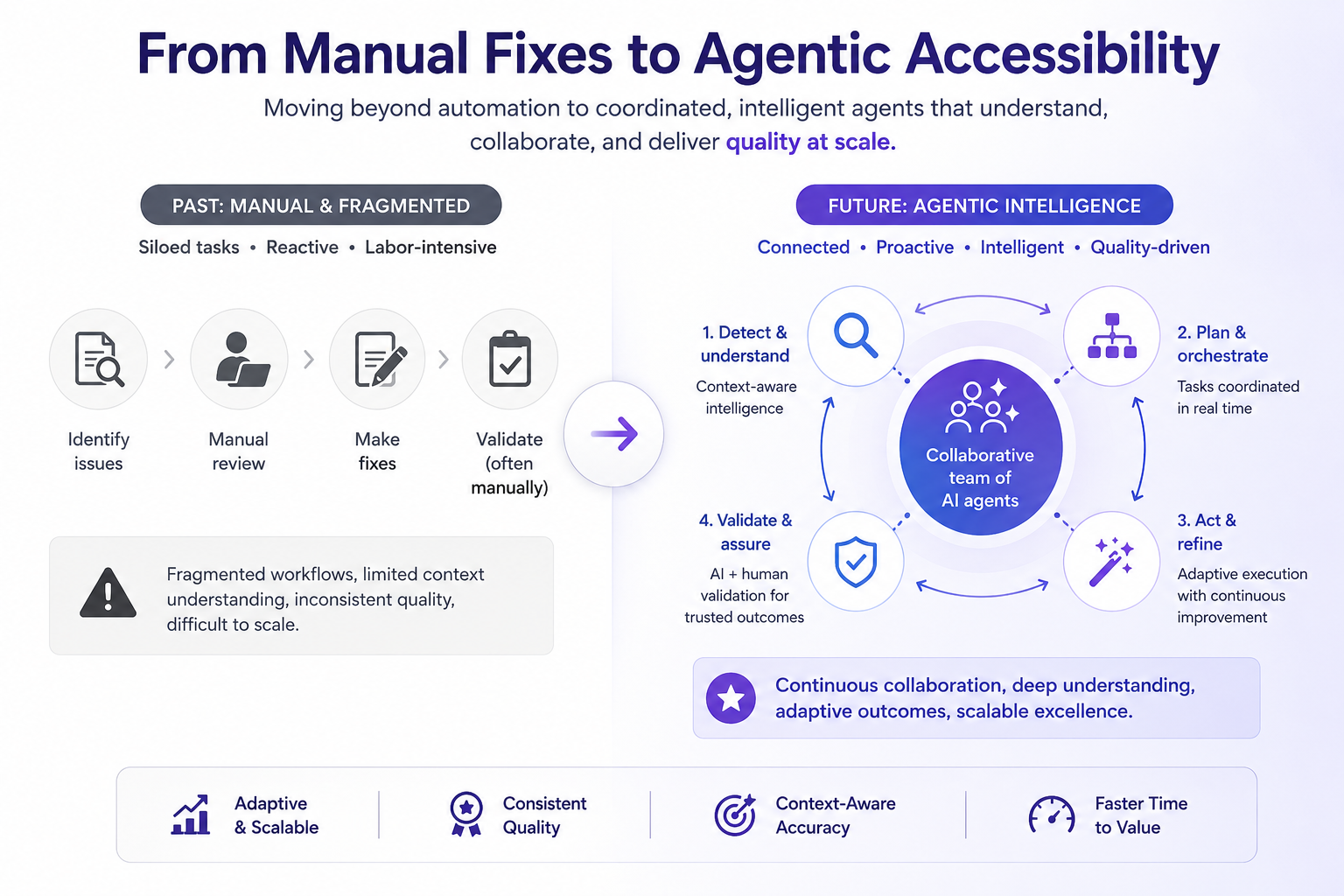
Fig 1: From Manual Accessibility Remediation to Agentic Intelligence
Rather than treating accessibility as a sequence of disconnected tasks, agentic systems function as coordinated teams of specialists. Each agent performs a distinct role while continuously collaborating with others to evaluate, refine, and validate outcomes. This approach allows accessibility processes to become adaptive, scalable, and quality driven.
Within SPACE, this vision comes to life through a purpose-built ecosystem of multimodal agents designed specifically for STM, educational, and professional publishing environments.
The Three-Agent Accessibility Ecosystem
At the heart of SPACE is a collaborative framework consisting of three specialized agents working in a continuous feedback loop.
1. The Assessment Agent: Understanding Content Before Acting
Accessibility begins with understanding.
The Assessment Agent performs a deep multimodal evaluation of every asset entering the workflow. Unlike conventional image detection systems that identify visual objects, this agent interprets purpose, complexity, and instructional significance.
The agent classifies content into complexity tiers ranging from simple visuals to highly technical diagrams and identifies domain-specific contexts such as microscopy, engineering schematics, medical imaging, scientific visualizations, and data-intensive research content.
By recognizing the true intent behind an image or asset, the Assessment Agent determines the level of accessibility depth required. A decorative graphic, for example, demands a vastly different treatment than a gene expression heat map, a radiology scan, or a biochemical pathway diagram. This intelligence establishes the foundation for accurate and meaningful accessibility outcomes.
2. The Creation Agent: Contextualizing Accessibility
Once content has been assessed and categorized, the Creation Agent takes responsibility for generating accessibility outputs.
Its role extends far beyond visual interpretation. The agent synthesizes information from multiple sources including manuscript content, figure captions, metadata, surrounding narrative, and structural document elements.
This contextual understanding enables the generation of highly relevant alternative text, extended descriptions, and accessibility artifacts that preserve the educational and scientific value of the original content.
The Creation Agent also supports specialized requirements such as mathematical equation processing, interpretation of complex data visualizations, and handling of discipline-specific terminology. Trained on technical and academic content, it understands the language of research and education, ensuring that critical scientific concepts are represented accurately and consistently.
3. The Validation Agent: Ensuring Trust and Compliance
The final layer of the ecosystem is the Validation Agent, which serves as an automated quality assurance and compliance engine.
Every accessibility output is evaluated against a comprehensive framework of more than fifty weighted criteria. These include accuracy, contextual relevance, readability, verbosity, scientific integrity, accessibility best practices, and WCAG compliance requirements, and evolving global accessibility standards.
Rather than functioning as a simple checker, the Validation Agent acts as an intelligent auditor. It continuously assesses confidence levels and identifies areas requiring additional scrutiny. When outputs do not meet established quality thresholds, assets are automatically routed to human subject matter experts for review and enhancement.
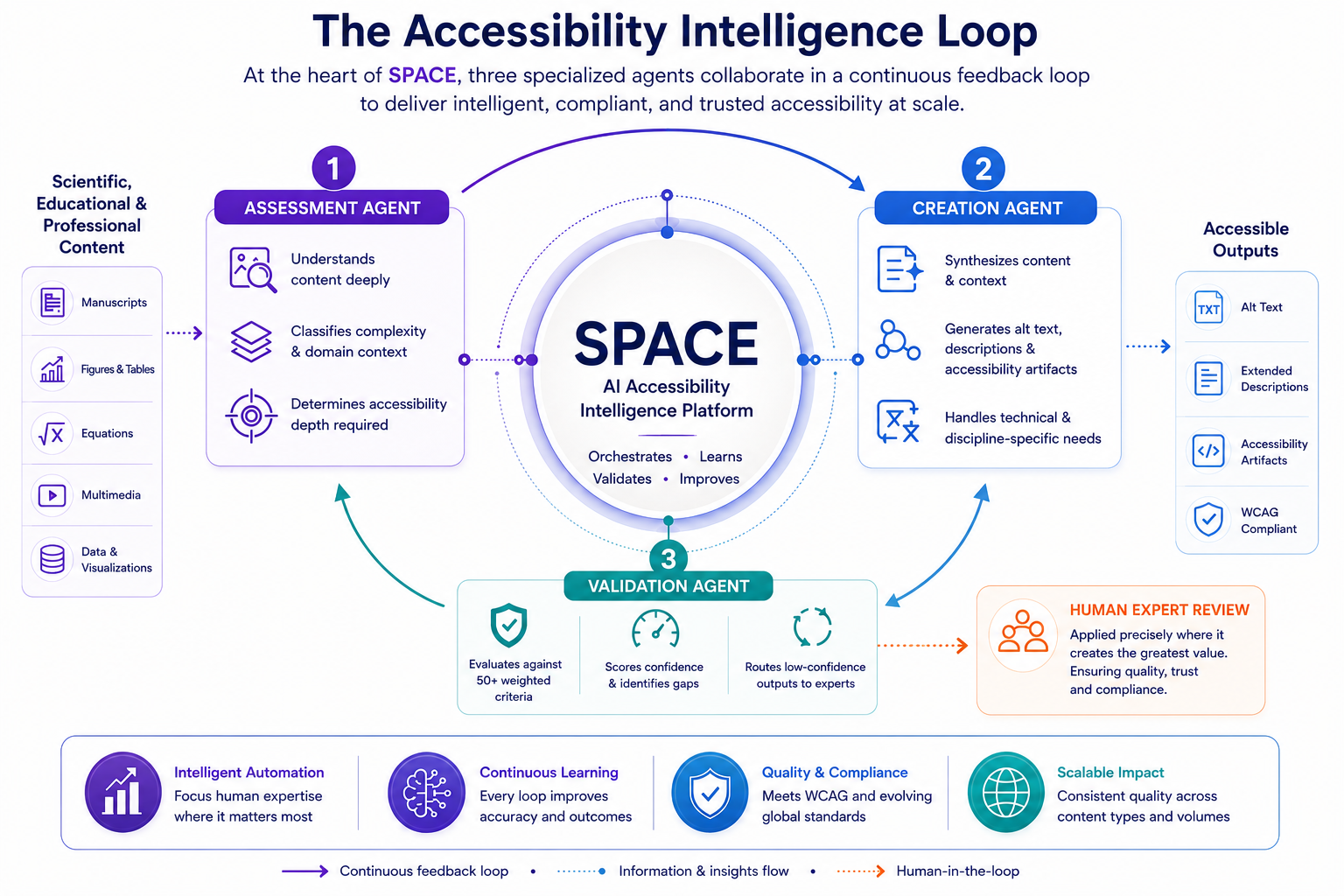
Fig 2: From Assessment to Assurance: The Agentic Accessibility Loop
| “Human expertise is applied precisely where it creates the greatest value, while routine and lower-risk activities remain fully automated.” |
This ensures that human expertise is applied precisely where it creates the greatest value, while routine and lower-risk activities remain fully automated.
Accessibility on Demand: From Remediation to Predictive Governance
One of the most significant advantages of an agentic accessibility framework is its ability to move organizations from reactive remediation toward predictive accessibility governance.
For many publishers and institutions, the greatest challenge is not simply fixing accessibility issues but understanding the scale of the problem itself.
SPACE addresses this challenge through intelligent content profiling and accessibility forecasting.
By analyzing legacy repositories and content backlogs, the platform identifies patterns of non-compliance and clusters of failure across multiple asset types, including images, tables, PDFs, EPUBs, audio, and video content. Organizations gain visibility into issues such as missing alternative text, broken reading orders, inaccessible mathematical content, and structurally deficient documents.
This insight enables stakeholders to quantify risk, prioritize interventions, and develop strategic accessibility roadmaps with confidence.
Beyond risk identification, the platform provides cost and resource modeling capabilities that estimate remediation effort, timelines, and investment requirements based on asset complexity and throughput targets. Accessibility planning therefore becomes data-driven, transparent, and aligned with broader organizational objectives.
The Critical Role of Human Expertise
While Agentic AI dramatically expands scale and efficiency, we remain firm in our belief that accessibility, particularly in academic and scientific publishing, cannot be entirely delegated to machines.
Scientific accuracy, educational intent, and regulatory accountability require human judgment.
This is why SPACE is built around an Expert-in-the-Loop model that combines advanced AI capabilities with the expertise of Straive’s global network of more than 700 subject matter experts and accessibility professionals.
Our experts provide final validation for high-complexity and high-impact content, ensuring that every accessibility output maintains the integrity expected by authors, publishers, researchers, educators, and learners.
The result is a balanced model where AI delivers speed, consistency, and scalability, while human expertise ensures trust, quality, and accountability.
As accessibility expectations continue to evolve, organizations need more than compliance tools. They need intelligent systems capable of understanding content, predicting risk, and continuously improving outcomes. Through the convergence of Agentic AI, domain expertise, and accessibility governance, Straive is helping redefine what accessible publishing looks like at scale, transforming accessibility from a regulatory obligation into a strategic advantage.
Looking Ahead: Accessibility as a Strategic Imperative
As accessibility expectations continue to evolve, organizations need more than compliance tools. They need intelligent systems capable of understanding content, predicting risk, and continuously improving outcomes. Through the convergence of Agentic AI, multimodal intelligence, domain expertise, and accessibility governance, Straive is helping redefine what accessible publishing looks like at scale.
Looking ahead, accessibility will increasingly become an embedded characteristic of content creation rather than a downstream remediation activity. Publishers, educational institutions, and content providers that embrace AI-powered accessibility and human expertise will be better positioned to meet regulatory requirements, improve learner experiences, and unlock broader access to knowledge.
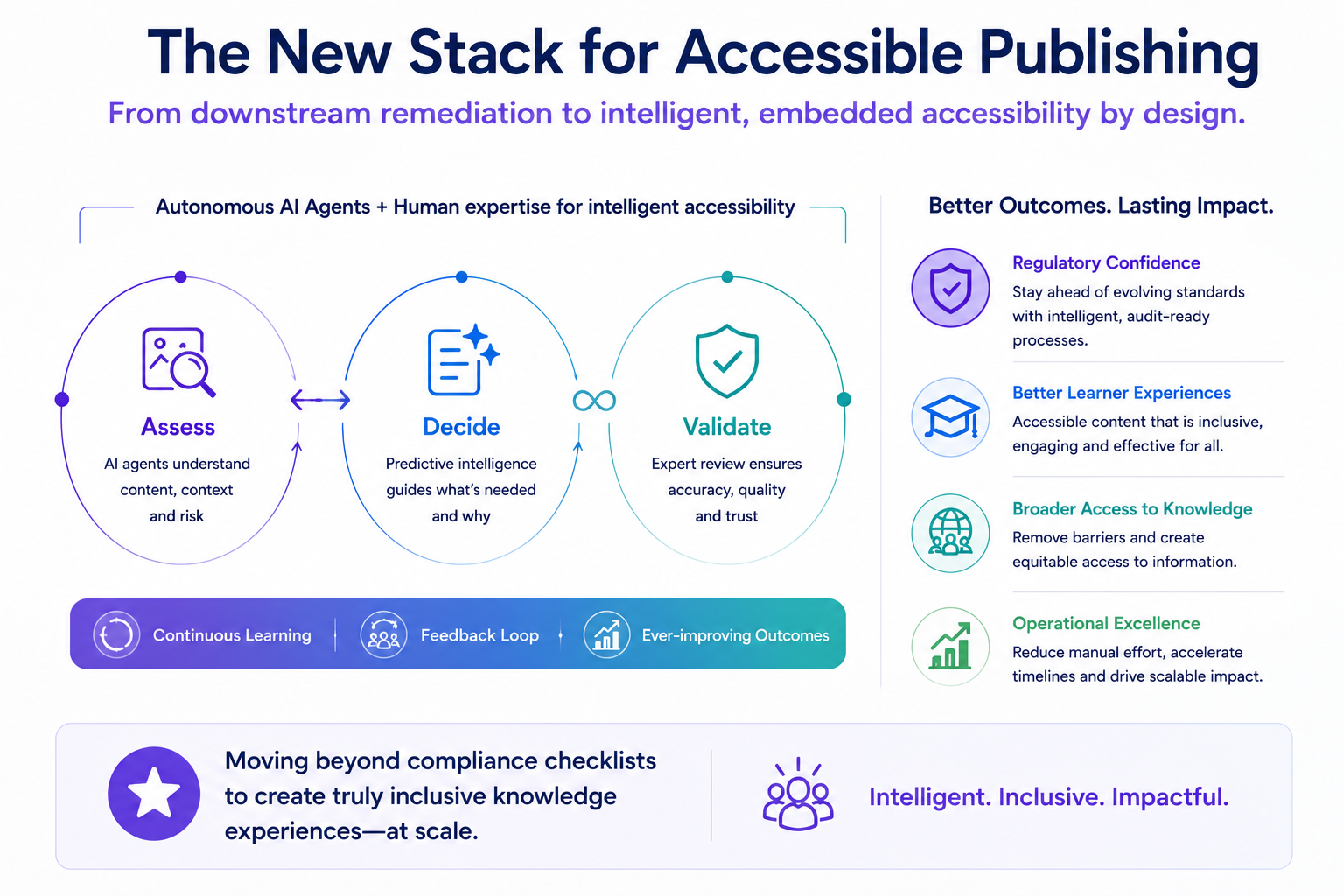
Fig 3: Building the Next Generation of Accessible Publishing
Agentic ecosystems such as SPACE represent a significant step toward that future. By combining autonomous decision-making, predictive accessibility intelligence, and expert validation, we are enabling organizations to move beyond compliance checklists toward truly inclusive knowledge experiences.
At Straive, we see this as more than a technology transformation. It is an opportunity to reshape how knowledge is created, shared, and consumed in a world where digital accessibility is not merely a requirement, but a foundation for equitable access to information.

Balamuraly K is an AI strategist and 25-year Straive veteran who transforms academic publishing workflows through Agentic AI. His work focuses on digital accessibility, content transformation, and leveraging data-driven AI models to ensure ethics in peer review. A lifelong learner, he holds advanced certifications in AI and disruptive tech from HBS Online and multiple IIMs.


