
Posted on: January 23rd 2025
Introduction
Artificial intelligence is reshaping customer experience at a pace that few organizations anticipated even a few years ago. By 2026, customer expectations have evolved toward experiences that are proactive, personalized and consistent across channels such as chat, voice, email, mobile applications and digital self-service environments. Customers increasingly expect organizations to recognize context, remember previous interactions, anticipate intent and resolve issues quickly, regardless of how or when they choose to engage.
This shift in expectations is not driven by novelty. It is driven by familiarity. Customers now interact daily with intelligent systems that adapt responses in real time, reduce friction and learn from behavior. As a result, tolerance for fragmented or repetitive experiences has declined sharply. When organizations fail to meet these expectations, customers respond with repeat contacts, faster escalation and, in many cases, disengagement.
To address these challenges, enterprises are adopting AI-native customer experience platforms that unify predictive analytics, generative intelligence, agentic automation and deep integration with existing systems. These platforms are no longer confined to traditional customer support. They influence marketing outreach, sales engagement, onboarding journeys, fulfilment coordination, retention strategies and service recovery processes. Customer experience technology has become a foundational layer of business operations rather than a departmental system deployed only in contact centers.
At the same time, expectations around reliability, transparency and responsible AI use have increased. Customer experience platforms handle sensitive personal, behavioral and transactional data. They shape interactions that directly affect trust, brand perception and regulatory exposure. As a result, organizations now evaluate CX platforms not only on functional capabilities, but also on governance models, data protection practices, ethical AI considerations and long-term scalability.
Exhibit 1: CX Platform Evaluation Framework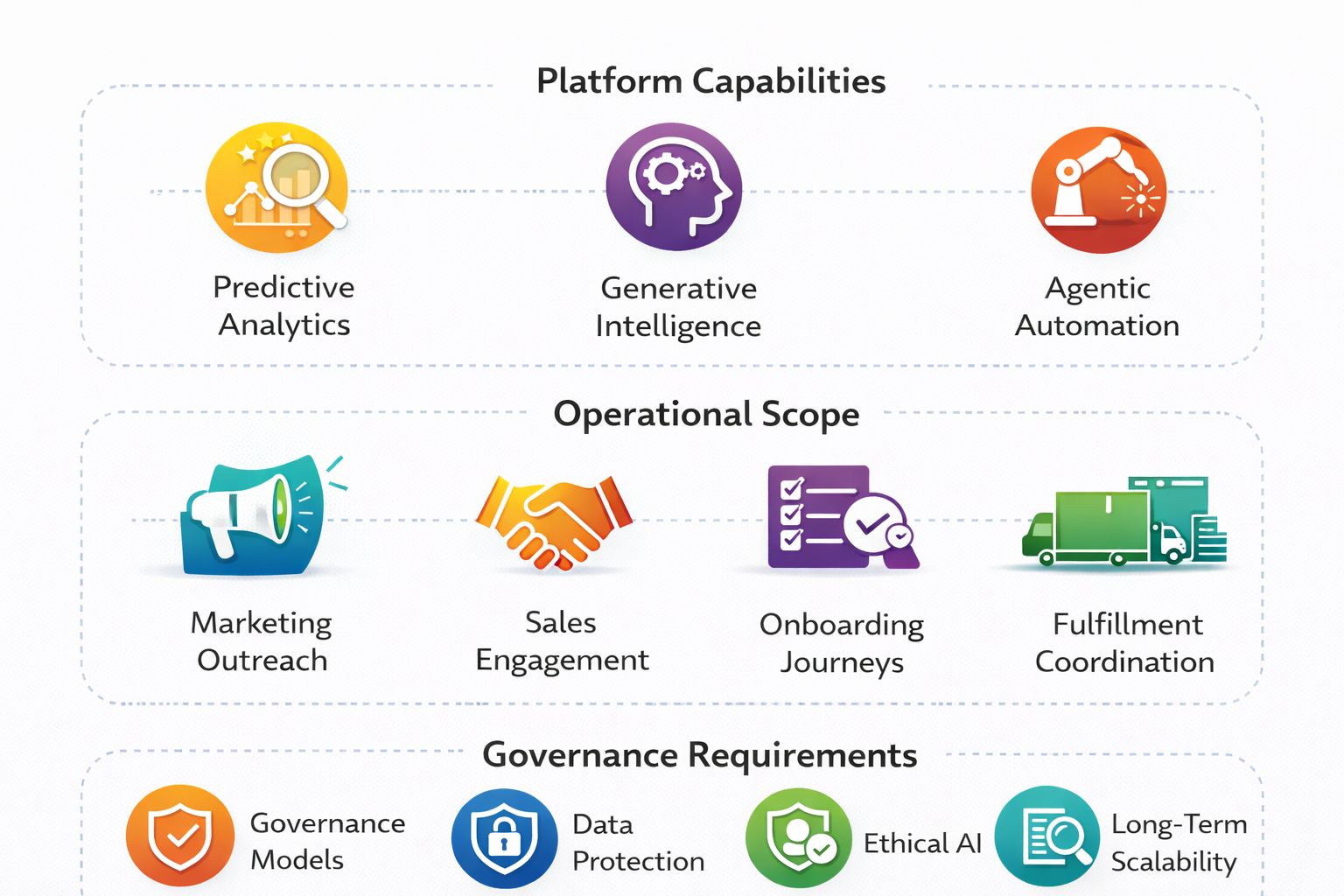
This guide focuses on how to choose an AI CX platform in 2026. Rather than ranking vendors or presenting a definitive list, it offers a structured and practical framework to help decision-makers evaluate platforms based on business objectives, operational realities and customer-journey priorities.
Why the Right AI CX Platform Matters More Than Ever
Selecting an AI CX platform is no longer a tactical technology decision. It is a strategic choice that influences how consistently a business serves customers, how efficiently teams operate and how effectively the organization adapts to change.
Accelerated Problem Resolution
One of the most immediate and measurable impacts of AI in customer experience is faster issue resolution. Generative intelligence, conversation summarisation and agent-assist tools reduce the time agents spend searching for information, drafting responses or reviewing long interaction histories. Instead of navigating multiple systems or documents, agents receive relevant context, summarized histories and suggested actions directly within their workflows.
This acceleration improves first-contact resolution and reduces the need for follow-up interactions. Over time, faster resolution also lowers operational costs while improving customer perception of responsiveness, competence and professionalism. Customers are more likely to trust organizations that resolve issues quickly and consistently.
Proactive and Personalized Engagement
AI enables organizations to move beyond reactive service models toward proactive engagement. Predictive analytics can interpret digital signals such as browsing behavior, interaction history, transaction patterns or prior service outcomes. Based on these signals, platforms can recommend next-best actions, proactive outreach or personalized guidance.
Exhibit 2: AI-Driven Proactive Customer Engagement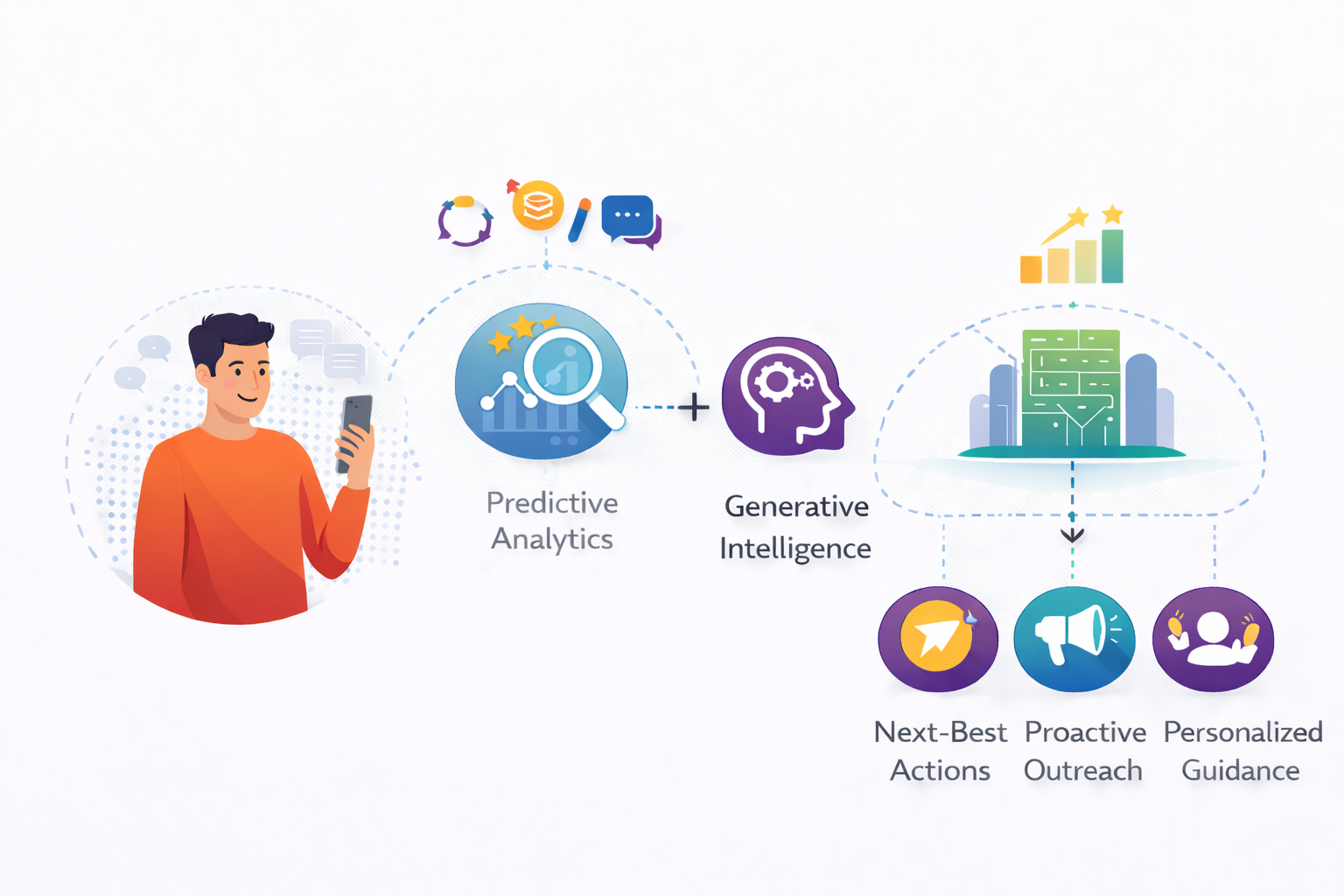
Generative intelligence supports this shift by enabling tailored communication at scale. Messages, responses and follow-ups can be customized to customer context without increasing manual effort. Before deploying large-scale email campaigns, organizations should also run an email spam test to verify inbox placement and avoid deliverability issues that reduce customer engagement. This level of personalization strengthens engagement, increases satisfaction and supports long-term loyalty by demonstrating relevance and attentiveness.
Higher Efficiency and Customer Satisfaction
AI-driven routing, sentiment analysis and automation reduce friction throughout the customer journey. Customers are directed to the most appropriate channel or representative based on context, urgency and complexity. Wait times decrease, transfers are reduced and self-service becomes more effective when designed to resolve issues rather than simply deflect them.
These improvements create a reinforcing cycle. Operational efficiency increases while customer satisfaction improves. Together, these outcomes positively influence retention, service performance and overall brand perception.
Improved Employee Experience
Employee experience is increasingly recognized as a direct contributor to customer outcomes. AI copilots help agents manage multiple conversations, summarize interactions, draft responses and prioritize tasks. This reduces cognitive load and allows agents to focus on complex, sensitive or emotionally charged interactions where human judgment and empathy matter most.
Exhibit 3: AI Copilots for Employee Experience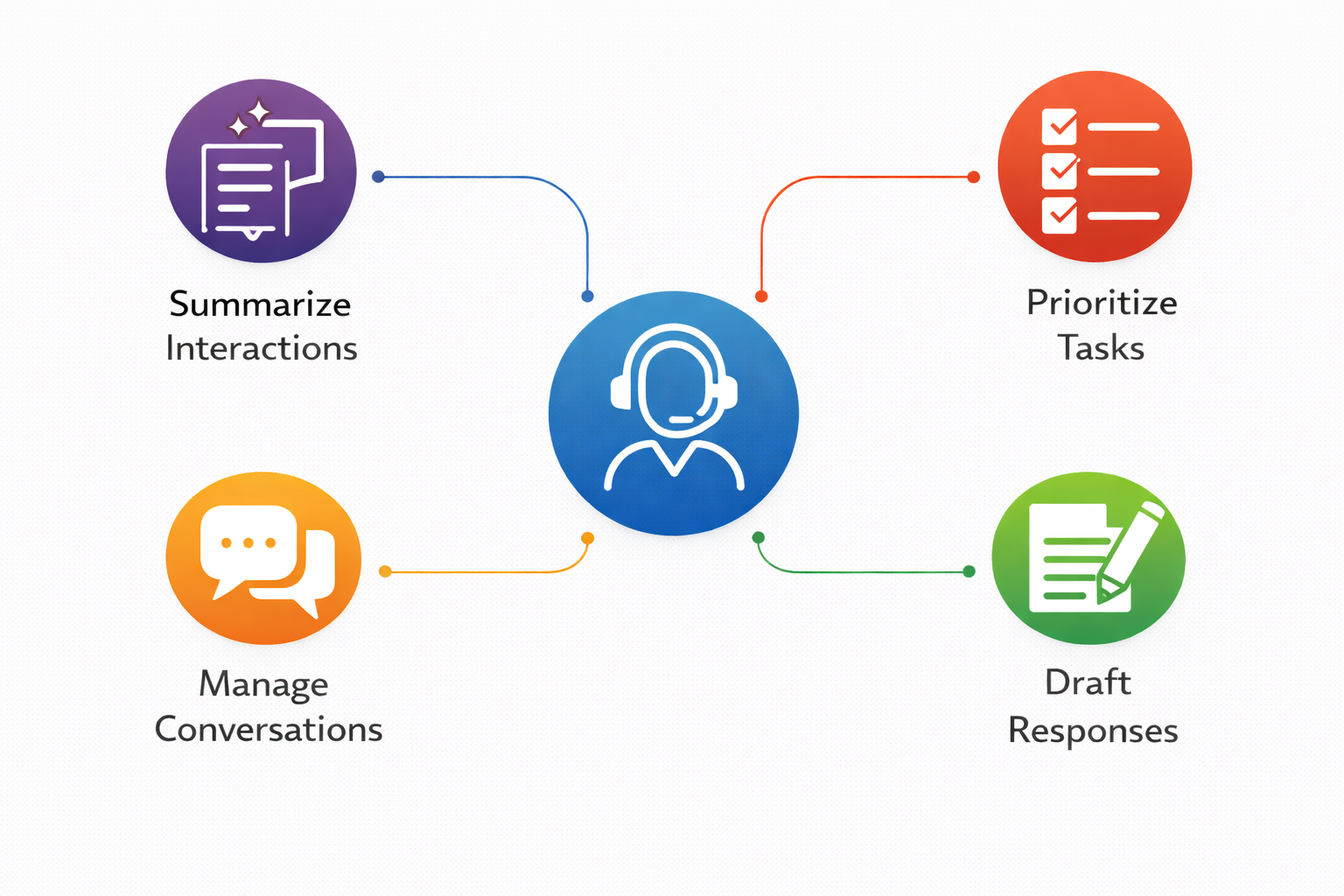
When employees feel supported by intelligent systems rather than constrained by rigid tools, engagement improves, burnout decreases and service quality becomes more consistent across teams and shifts.
Responsible AI as a Business Requirement
Because customer experience platforms operate on sensitive personal and transactional data, organizations must address privacy, transparency and governance from the outset. Responsible AI practices such as access controls, auditability, explainability and data-minimization mechanisms are essential not only for regulatory compliance, but also for maintaining customer trust and organizational credibility.
What AI-Native CX Should Mean in 2026
By 2026, the term AI-native should reflect a foundational design philosophy rather than a collection of added features. An AI-native CX platform embeds intelligence throughout the system, enabling continuous learning, adaptation and improvement across interactions and workflows.
A truly AI-native CX platform supports:
- Decision intelligence through predictive insights, dynamic routing logic and next-best-action recommendations
- Content intelligence through drafting, summarisation and contextual knowledge retrieval
- Process intelligence through workflow automation and orchestration
- Experience intelligence through sentiment analysis, quality evaluation and voice-of-customer insights
- Governance intelligence through policy enforcement, access controls and auditability
Exhibit 4: AI-Native CX Intelligence Framework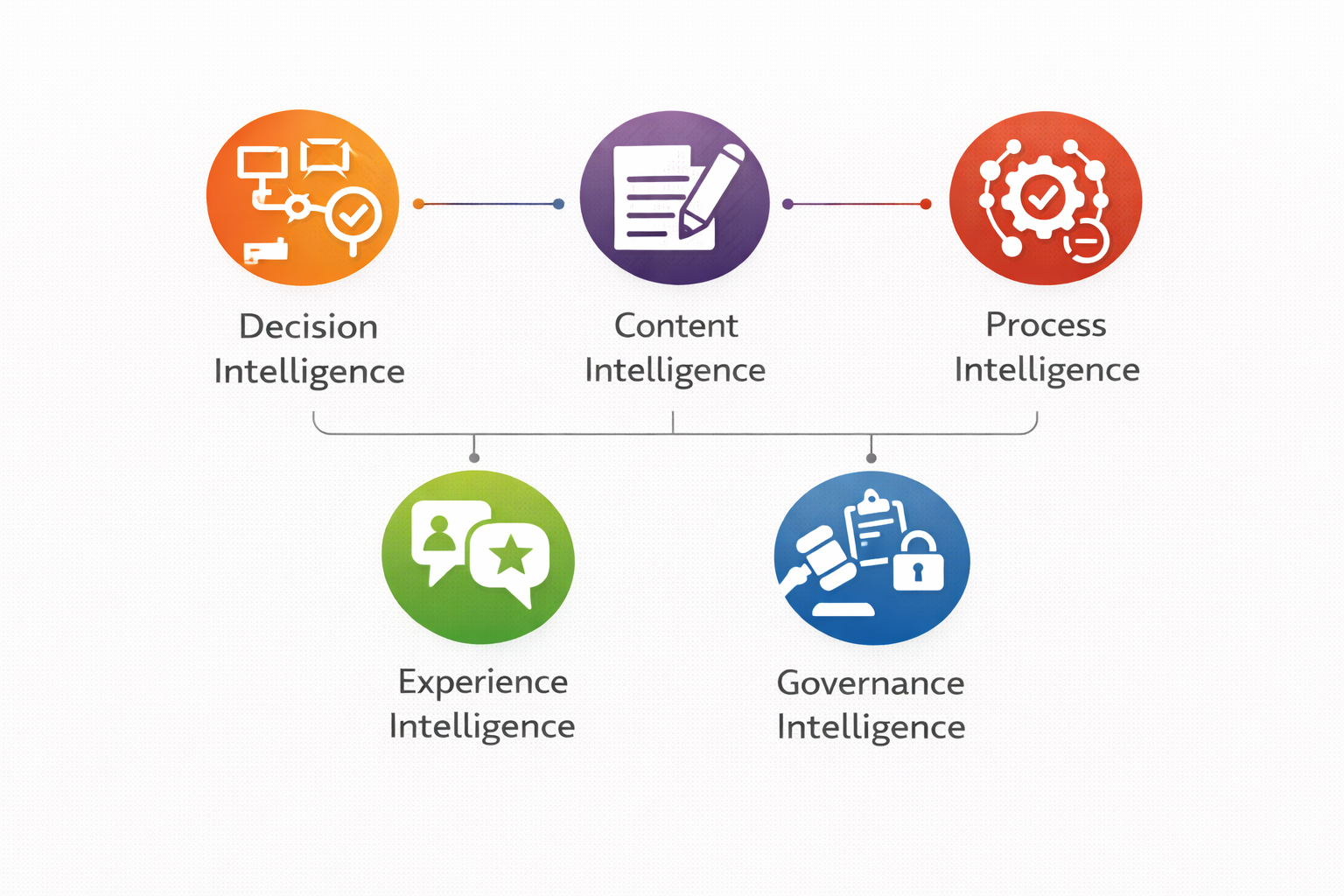
Importantly, these capabilities must be accessible to operational teams. Intelligence that exists only in dashboards or advanced configuration layers delivers limited value. Effective platforms embed AI directly into the daily workflows of agents, supervisors and administrators so insights translate into action.
Core Capabilities to Evaluate When Choosing an AI CX Platform
Predictive Analytics and Next-Best Actions
Predictive analytics form the foundation of proactive customer experience. Platforms should interpret signals across channels and recommend actions that improve outcomes. This includes the ability to infer intent, urgency and escalation risk, adapt routing decisions in real time and ensure recommendations align with business rules and policies.
Buyers should assess how predictive models are trained, how frequently they update and whether outputs are explainable to supervisors and administrators. Transparency is essential for trust, governance and operational adoption.
Generative Intelligence That Improves Speed and Consistency
Generative AI should reduce repetitive work while improving response quality and consistency. Core capabilities include agent-assist tools that draft replies or suggest next steps, conversation and case summarisation, and natural-language access to approved knowledge sources.
Exhibit 5: Generative Intelligence Capabilities for CX Platforms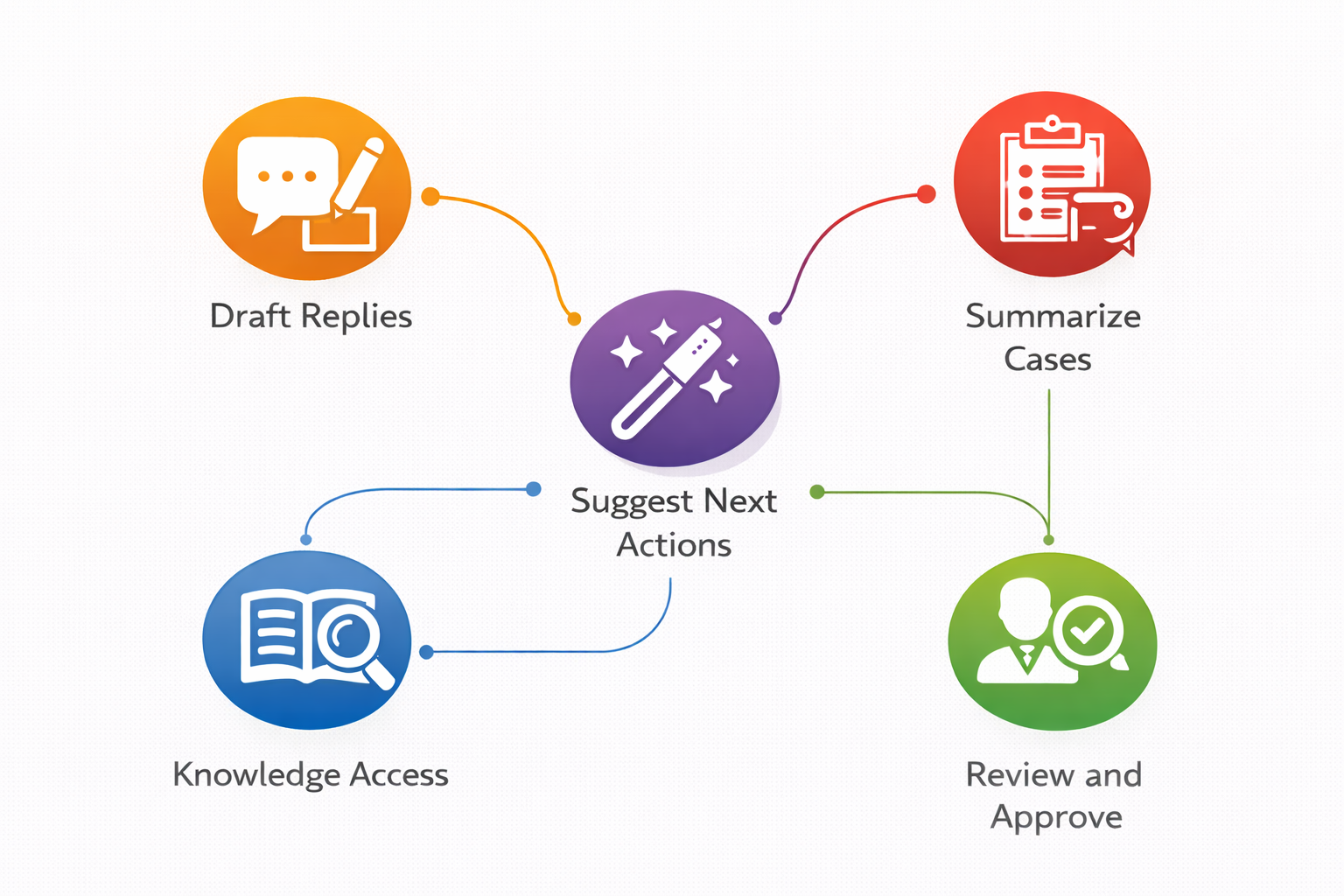
Evaluation should focus on whether generative outputs are grounded in validated content, how human review and approvals are supported, and what safeguards exist to prevent inaccurate or non-compliant responses from reaching customers.
Agentic Automation With Human Oversight
By 2026, agentic AI is expected to handle increasingly complex customer intents. However, full autonomy is not appropriate for all scenarios. Effective CX platforms clearly define how and when human intervention occurs.
This includes configurable confidence thresholds that trigger escalation, transparent handoff mechanisms that preserve context, and visibility into why an AI action was taken or deferred. Buyers should understand how confidence is measured and how intervention rules can be adjusted by channel, intent or risk level.
Data Readiness and Knowledge Grounding
As generative AI becomes central to customer experience, the quality and structure of underlying data become critical. Platforms should support ingestion and management of both structured and unstructured data, normalize content and ensure AI responses are grounded in approved and current knowledge.
Organizations should evaluate how platforms manage outdated or conflicting information, how retrieval sources are controlled and how quickly changes to knowledge bases are reflected in AI-driven interactions.
Multi-Modal Intelligence
Customer interactions increasingly extend beyond text and voice. Images, documents and other visual inputs are becoming part of service and support workflows. CX platforms may need to process these inputs as part of issue resolution and decision-making.
Buyers should assess whether platforms support multi-modal inputs natively, how visual information is incorporated into routing and automation, and whether these capabilities are governed and auditable in the same way as text-based interactions.
Workflow Orchestration and Integration Readiness
AI CX platforms must operate within complex enterprise environments. Integration and orchestration capabilities ensure continuity across customer journeys and internal processes.
Exhibit 6: Workflow Orchestration and Integration for AI CX Platforms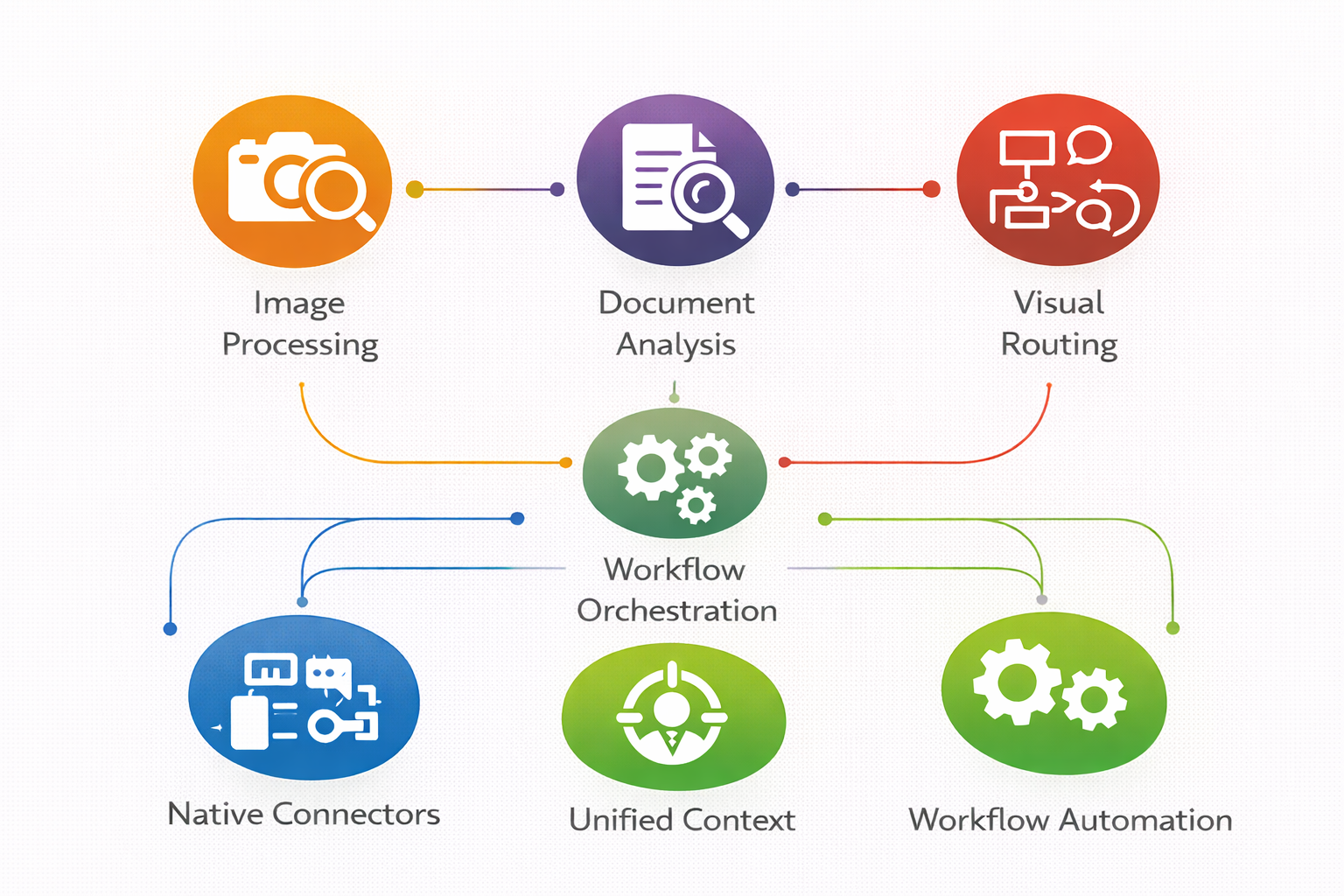
Key considerations include native connectors and APIs for CRM, ERP and fulfilment systems, unified customer context across departments, and the ability to orchestrate workflows that span front-office and back-office teams without breaking the customer experience.
Trust, Regulation and Governance
By 2026, regulatory frameworks governing AI use are expected to be active across multiple regions. Governance must extend beyond basic data protection.
Platforms should support traceability, explainability and documentation of AI-driven decisions. Buyers should evaluate how platforms classify risk, manage high-impact use cases and support internal and external audits.
Pricing Models and Commercial Flexibility
Customer experience pricing models are evolving beyond simple per-seat licensing. Organizations should be prepared to evaluate consumption-based, outcome-oriented or hybrid pricing structures.
Key considerations include how pricing scales with automation, whether efficiency gains are rewarded or penalized, and how commercial models adapt as AI usage grows over time.
Vendor Dependency and Long-Term Strategic Risk
As AI models increasingly act as the decision layer of customer experience operations, dependency risk becomes a strategic concern. Buyers should assess data portability, workflow ownership and reliance on proprietary tooling.
Understanding exit paths, integration flexibility and long-term control helps mitigate future risk and preserve strategic optionality.
A Practical Approach to Selecting an AI CX Platform
A structured selection process improves outcomes and reduces risk.
- Map customer journeys to identify friction points and high-impact opportunities
- Define clear customer experience objectives and measurable success metrics
- Assess organizational readiness across data quality, process maturity and governance
- Conduct proof-of-value evaluations using real interaction scenarios
- Prioritize adoption, usability and operational fit to ensure sustained value
Common Pitfalls to Avoid
Organizations frequently encounter challenges such as selecting platforms based on feature lists rather than workflows, treating automation as deflection instead of resolution, delaying governance considerations, underestimating integration complexity or overwhelming agents with overly complex tools. Avoiding these pitfalls improves long-term adoption and return on investment.
Conclusion
Artificial intelligence is fundamentally reshaping customer experience by enabling personalized journeys, proactive engagement and faster resolution. In 2026, the most effective CX platforms unify predictive intelligence, generative assistance, agentic automation, workflow orchestration and responsible governance into a cohesive system.
Exhibit 7: AI CX Platform Selection Framework and Common Pitfalls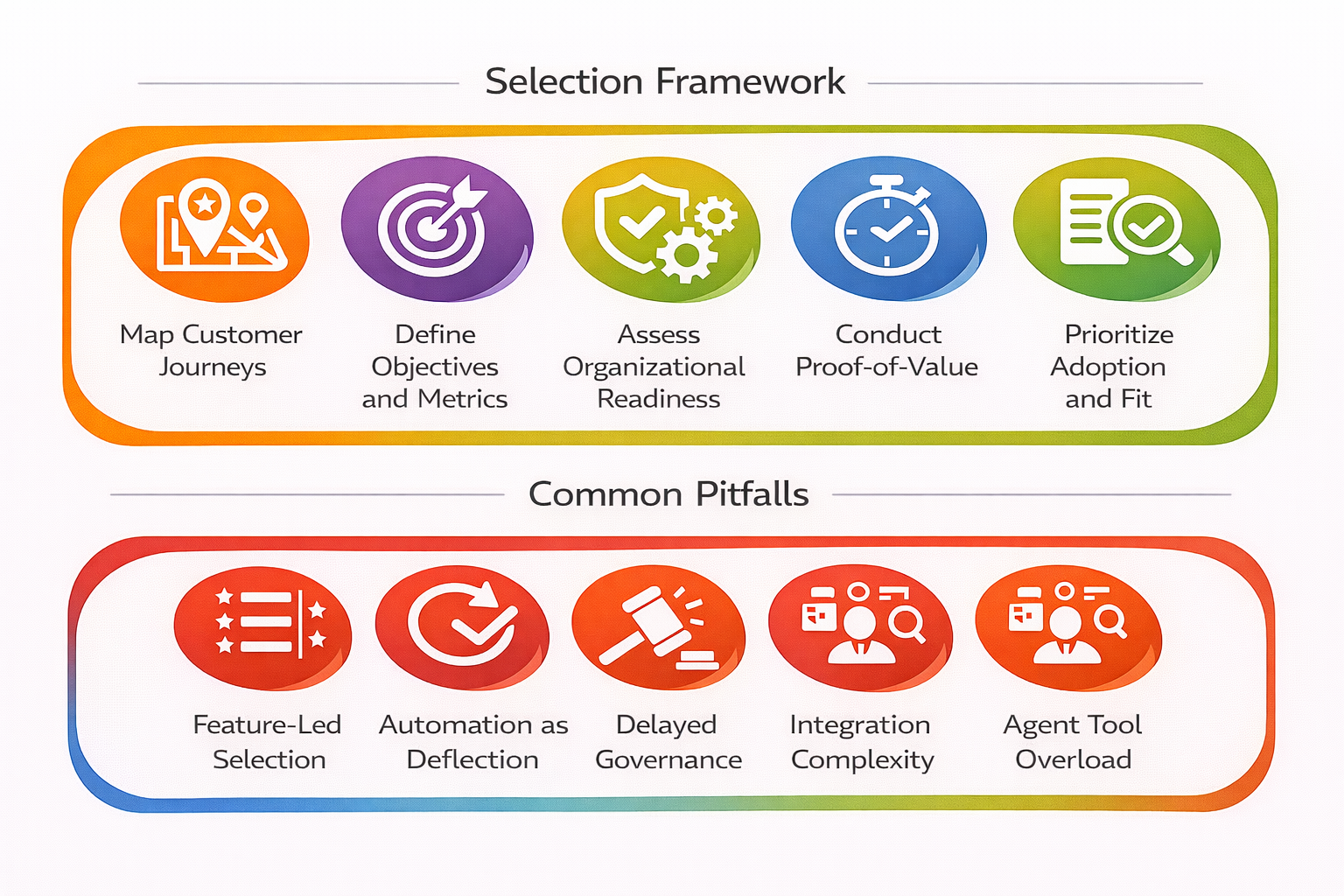
Choosing the right AI CX platform requires a clear understanding of customer journeys, data readiness, regulatory obligations and long-term strategic risk. When organizations evaluate platforms using a structured and forward-looking framework, they reduce risk, accelerate time to value and build customer experience capabilities that scale responsibly.
The goal is not to adopt the most advanced technology available, but to select a platform that aligns with business strategy, supports human expertise and evolves safely as AI becomes more deeply embedded in customer interactions.

Assistant Director, Strategic Programs
Abhishek leads operational excellence and transformative client outcomes, bringing extensive experience in orchestrating large-scale customer experience and technology programs


